Wealtie logoWealtie

The people behind Wealtie: Wealtie Team

The people who build Wealtie, a money tracker and budget app that never connects to your bank.

Articles

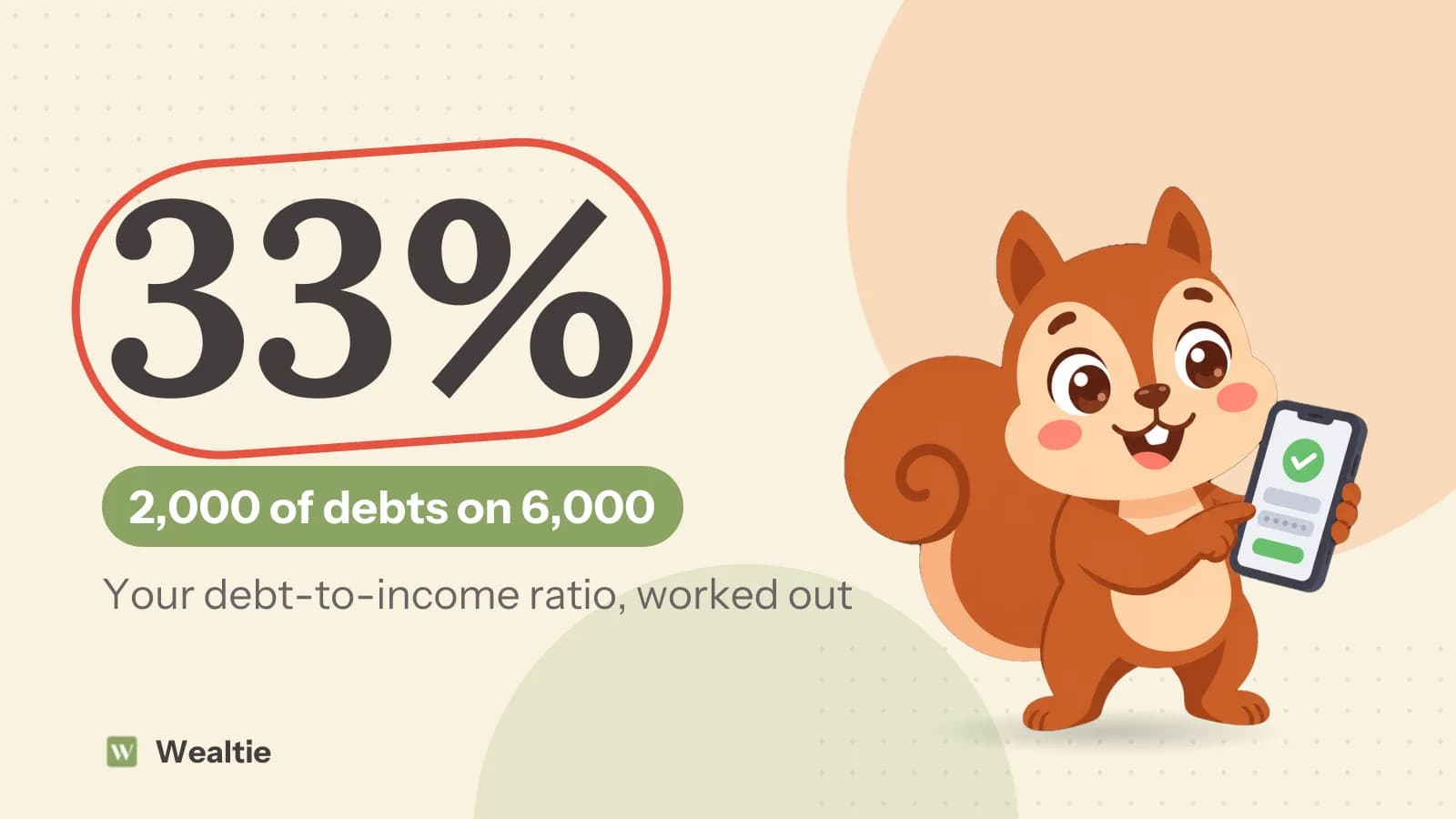
  • Wally checking his phone beside 33%: 2,000 of monthly debt payments on 6,000 of gross income, a debt-to-income ratio worked out.
    BUDGETING

    Debt-to-income ratio: how to calculate it and what yours says

    Your debt-to-income ratio is your monthly debt payments divided by your gross monthly income, as the CFPB defines it. On 2,000 of payments and 6,000 of income, it's 33%. Lenders use it to judge whether you can take on another payment, and each sets its own limit.

    · 3 min read
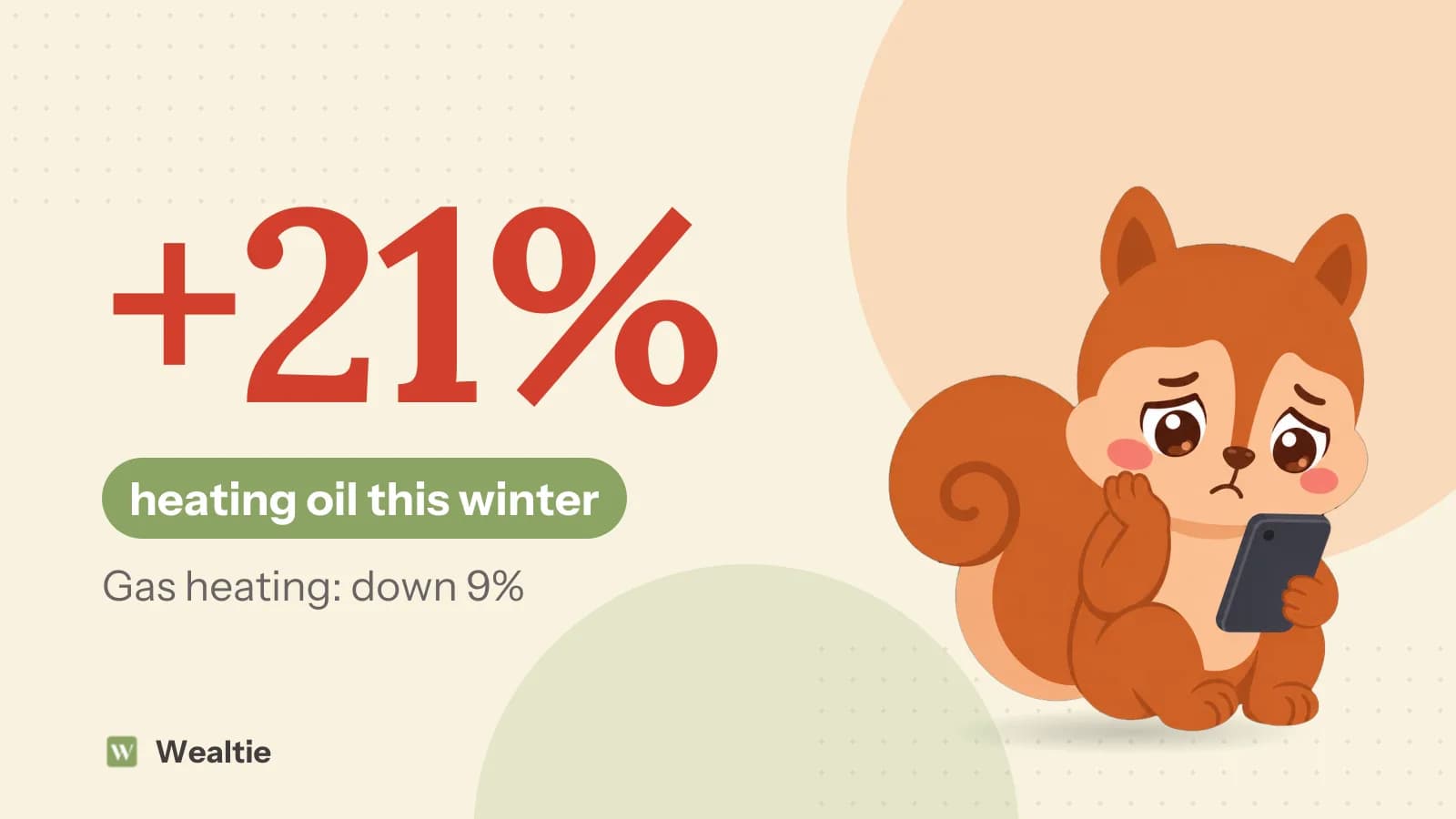
  • Wally looking worried beside +21% in red: heating oil bills this winter, while gas heating is forecast down 9%.
    BUDGETING

    How to save money on heating this winter, and what it will cost

    The biggest way to save money on heating is the thermostat: setting it back while you sleep or are out can cut heating and cooling costs by up to 10%, says the DOE. This winter, the EIA expects gas-heated homes to pay about $640 from November to March, 9% less than last year, and electric-heated homes $1,196.

    · 3 min read

  • Wally giving a thumbs up beside 'Cost per wear': a 30 top worn 3 times costs 10.00 a wear, a 120 coat worn 100 times costs 1.20.
    BUDGETING

    How to save money on clothes without a wardrobe you hate

    The best way to save money on clothes is a yearly clothing budget, split by season, plus a list of what you need before you shop. US households spent $2,010 on clothing and related services in 2025, about $168 a month, by BLS data; your own last year is the better starting number.

    · 3 min read

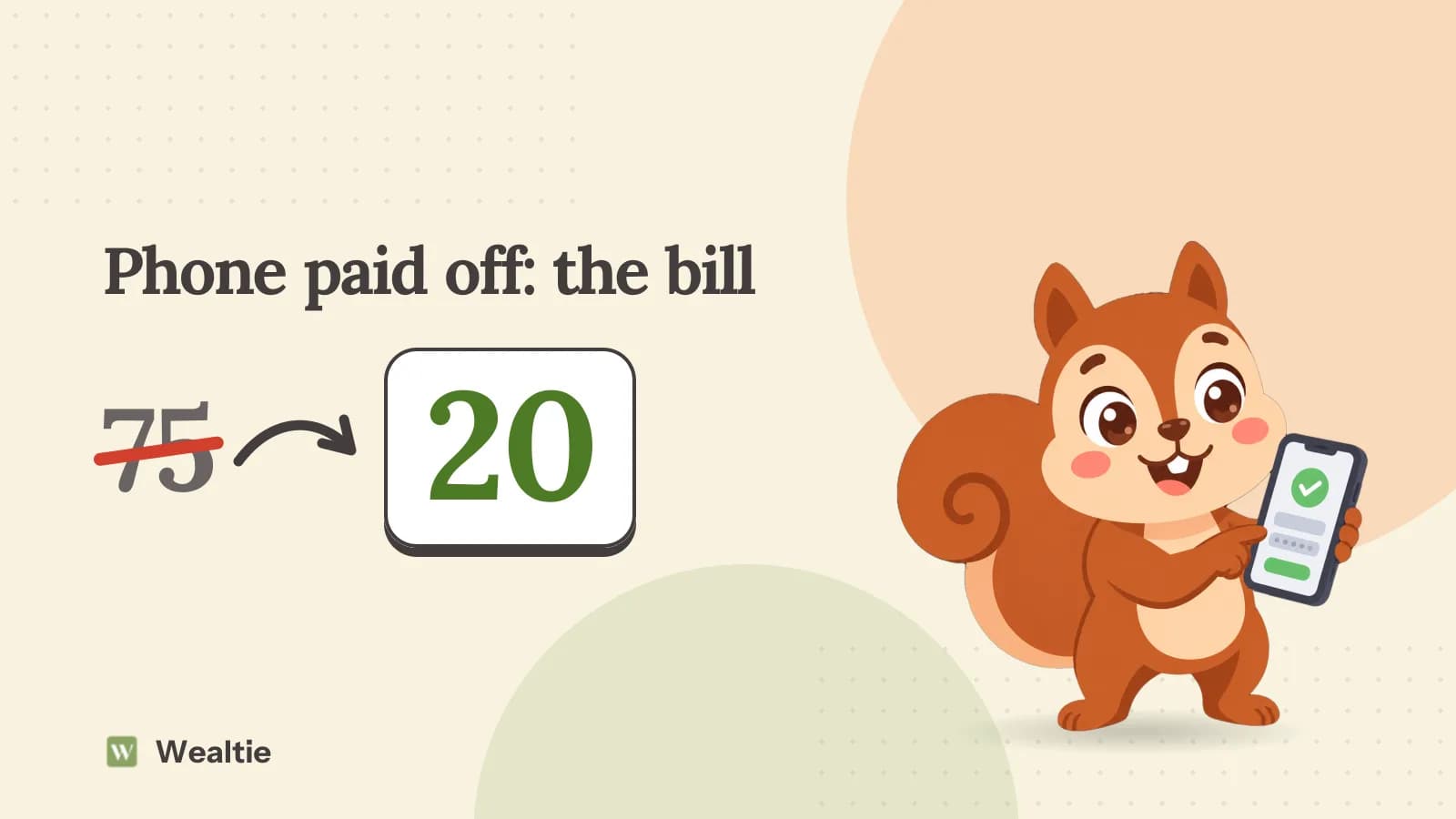
  • Wally checking his phone beside a phone bill dropping from 75 to 20 a month once the handset is paid off and the plan switched.
    BUDGETING

    How to save money on your phone bill, line by line

    To save money on your phone bill, check how much data you actually use, move to a plan that matches it, and separate the phone's price from the service once the handset is paid off. US households spent $1,390 on cell phone service in 2025, about $116 a month, by BLS data.

    · 3 min read

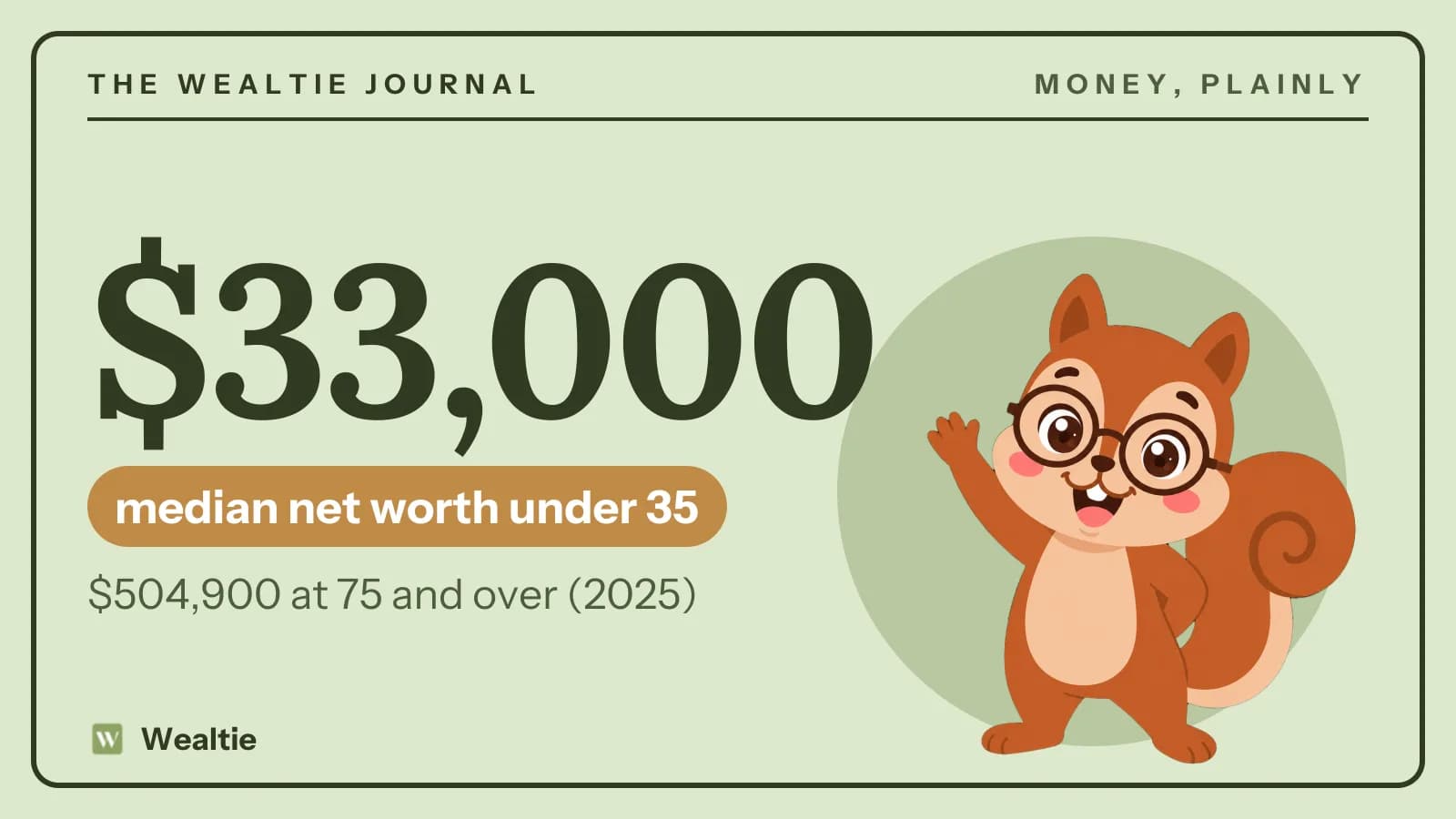
  • Wally waving beside $33,000, the median net worth of US families headed by someone under 35 in 2025, against $504,900 at 75 and over.
    SAVING

    Average net worth by age: the 2025 Fed numbers, and yours

    US families headed by someone under 35 had a median net worth of $33,000 in 2025, rising to $504,900 at 75 and over, in the Federal Reserve's Survey of Consumer Finances. That's average net worth by age; your own is everything you own minus everything you owe.

    · 3 min read

  • Wally celebrating beside the number 9: nine badges across two streaks in Wealtie, the budget streak and the income goal streak.
    USING WEALTIE

    Budget streaks in Wealtie: how both streaks work, and the nine badges

    Wealtie budget streaks count how many periods in a row you've kept a promise to yourself. There are two: a budget streak for every period you stay within your budget, and an income goal streak for every period you reach your income goal. Both come with nine badges, and both are on the Free plan.

    · 3 min read

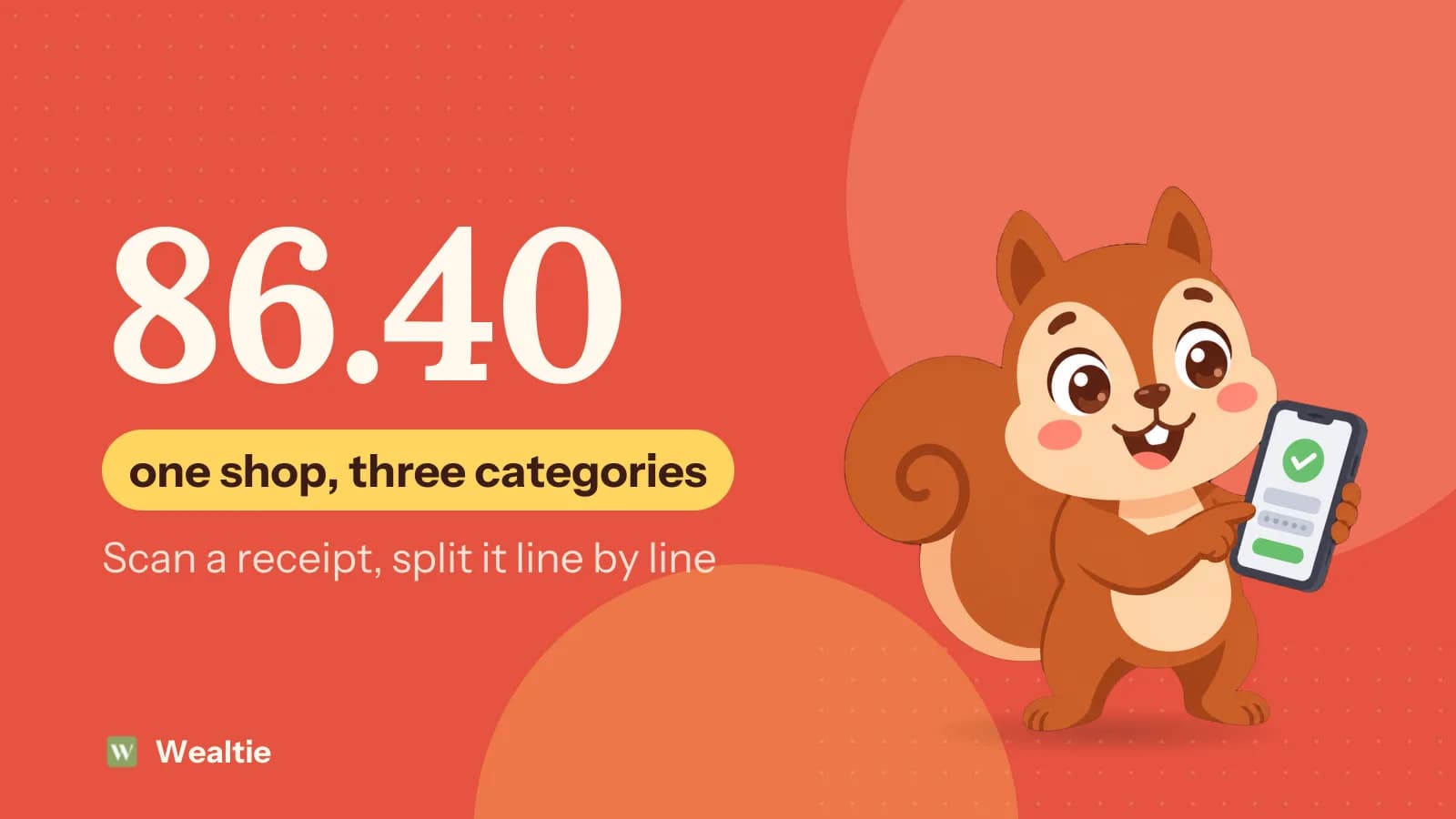
  • Wally checking his phone beside 86.40: one supermarket receipt split into three categories, groceries, household and clothing.
    USING WEALTIE

    How to scan receipts in Wealtie and split a shop line by line

    To scan receipts in Wealtie, take a photo of the receipt and the scanner reads the shop, the date, the total and each line. You then save it as one expense, or split it into one expense per line, so groceries and the household items in the same shop land in different categories. Receipt scanning is part of Pro.

    · 3 min read

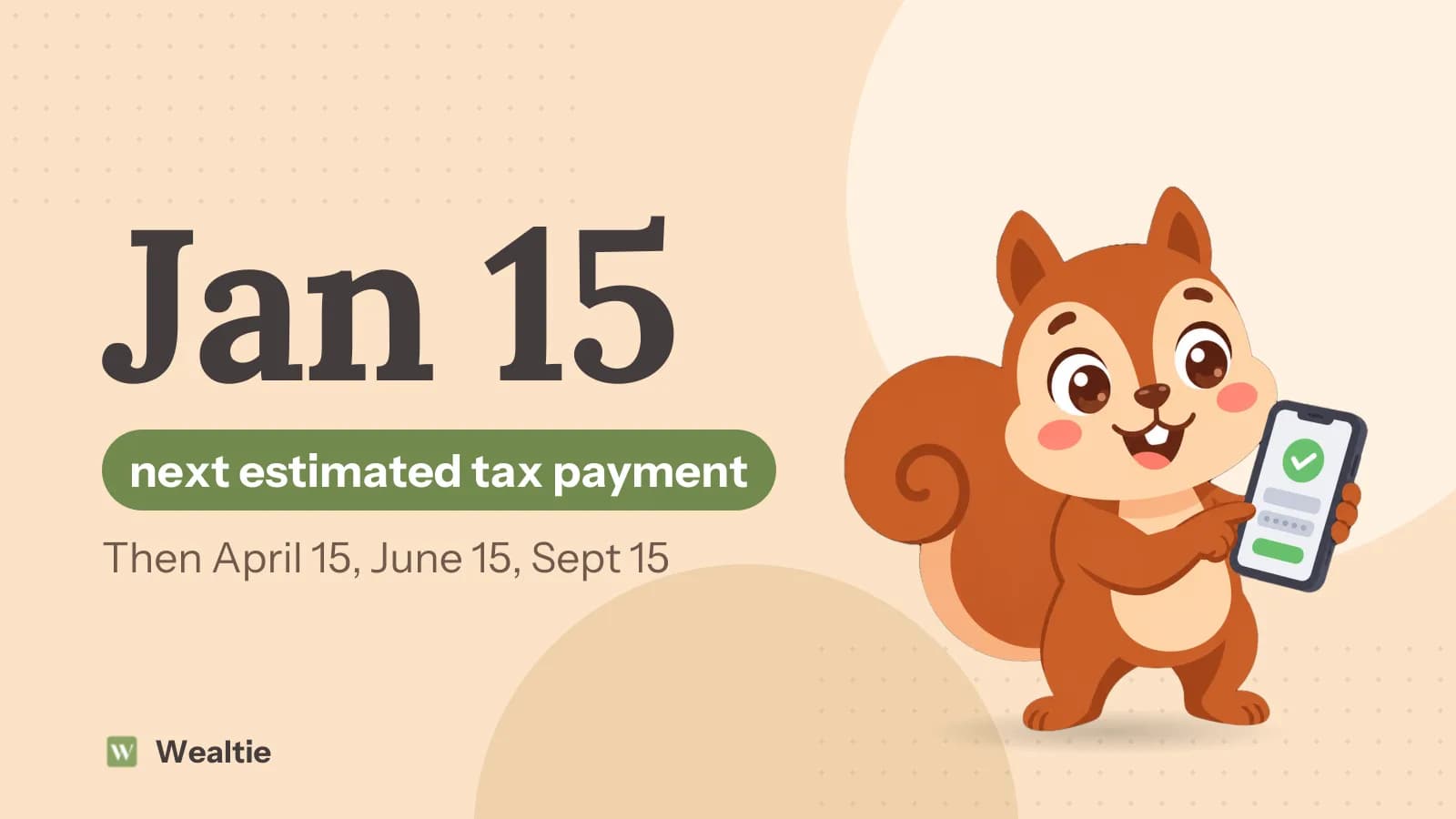
  • Wally checking his phone beside 'Jan 15', the next quarterly estimated tax due date, followed by April 15, June 15 and September 15.
    INCOME & FREELANCING

    Quarterly estimated taxes: the 2027 due dates and how to budget them

    Quarterly estimated taxes are what freelancers and others without enough withholding pay the IRS during the year. You generally have to pay if you expect to owe $1,000 or more. The next due date is January 15, 2027, for income earned from September to December 2026.

    · 3 min read

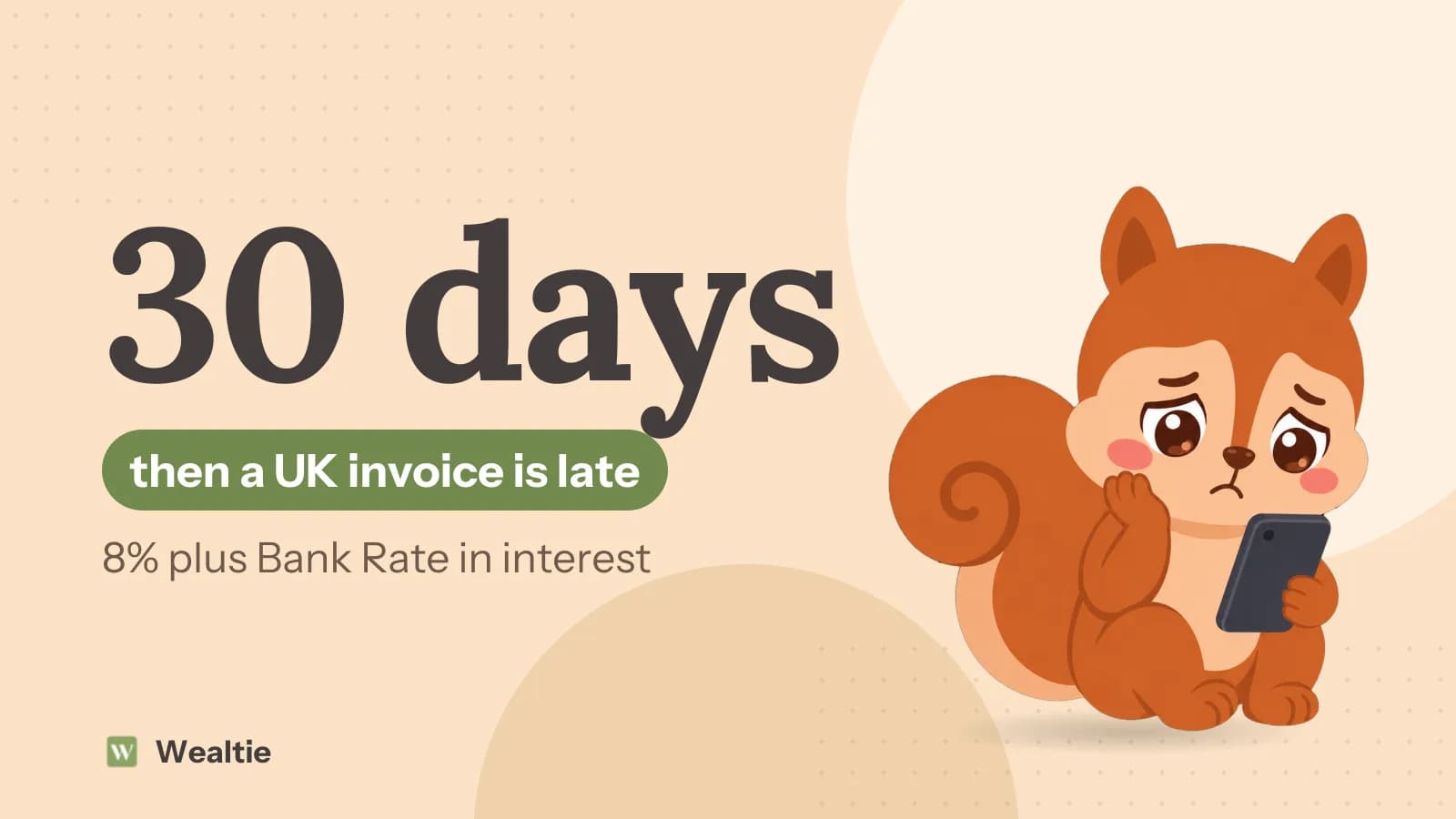
  • Wally looking worried beside '30 days': when a UK business invoice becomes late by default, with statutory interest of 8% plus Bank Rate.
    INCOME & FREELANCING

    What to do when a client pays late, and how to budget around it

    When a client pays late, send a polite reminder the day after the due date, follow up on a fixed schedule, and keep your own bills paid from a buffer, not the missing invoice. In the UK, business-to-business payments are late after 30 days by default, and you can charge 8% plus Bank Rate in interest.

    · 3 min read

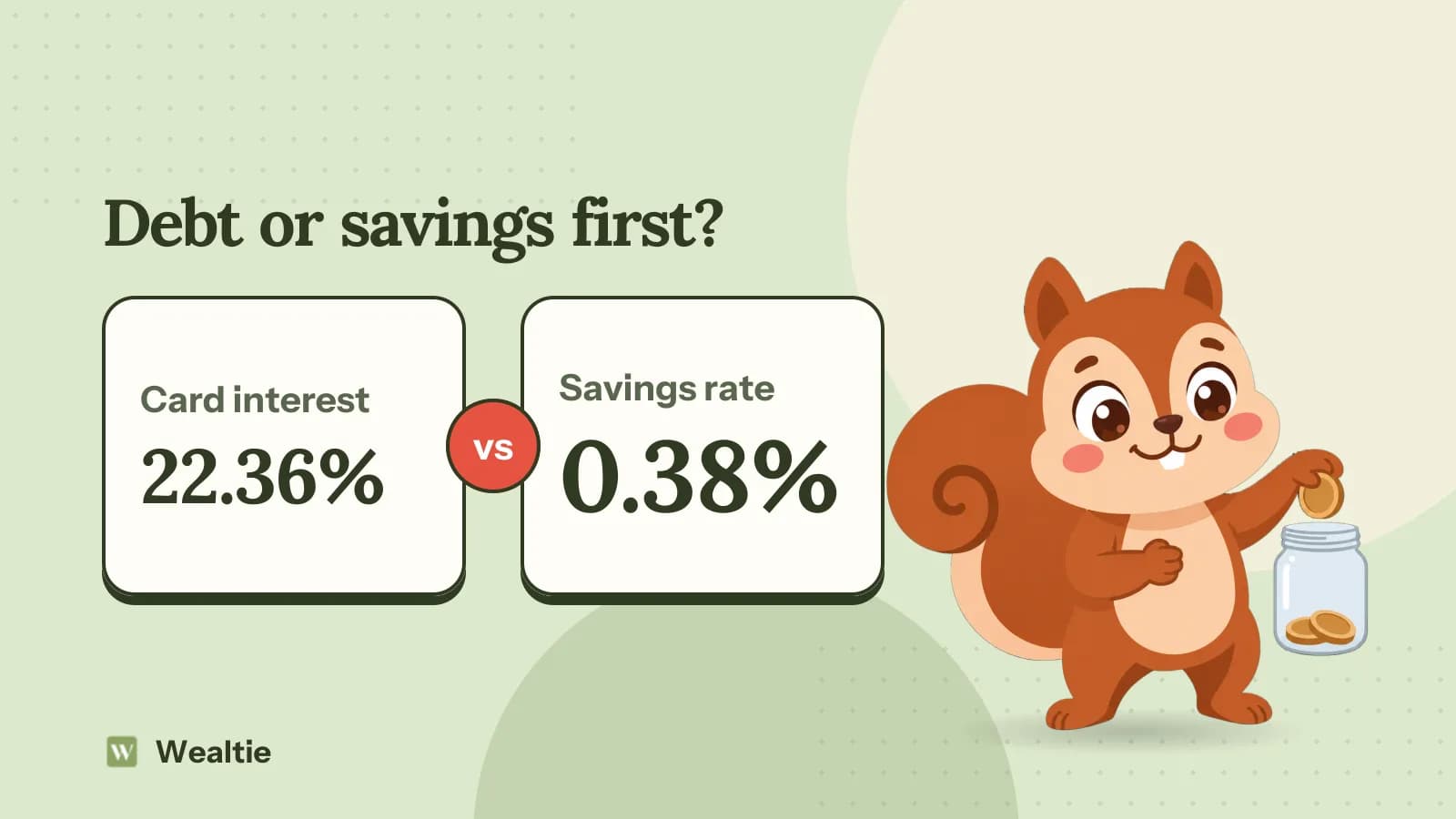
  • Wally with a coin jar beside 'Debt or savings first?': average credit card interest of 22.36% against an average savings rate of 0.38%.
    SAVING

    Should you pay off debt or save first? An order that works

    Pay off debt or save? Both, in order: a small emergency fund first, then high-interest debt, then a full emergency fund. A credit card charged 22.36% on average in August 2026 while the average savings account paid 0.38%, so every spare dollar on the card earns far more than it would saved.

    · 3 min read

  • Wally making a peace sign beside '600 each': a 2,400 trip shared by four friends, settled in two transfers instead of everyone paying everyone.
    MULTI-CURRENCY & TRAVEL

    How to split travel costs with friends without the awkward maths after

    To split travel costs with friends, agree the budget and the rules before anyone books, keep one shared log of who paid what, and settle up once at the end in as few payments as possible. Most trip arguments come from rules that were never agreed, not from the amounts.

    · 3 min read

  • Wally offering a coin beside '30 each': three roommates each put 30 a month into a kitty for shared basics like milk, oil and toilet paper.
    MONEY AS A COUPLE

    How to split groceries with roommates: three ways, and which one lasts

    The simplest way to split groceries with roommates is to share only the basics, like milk, oil, toilet paper and cleaning products, from a small monthly kitty, and buy everything else yourself. Full sharing works for some households, but only with clear rules about who eats what.

    · 3 min read