Wealtie logoWealtie

Wealtie blog: Budgeting

Setting a budget you'll keep: methods, worked examples and what to do when a month goes over.
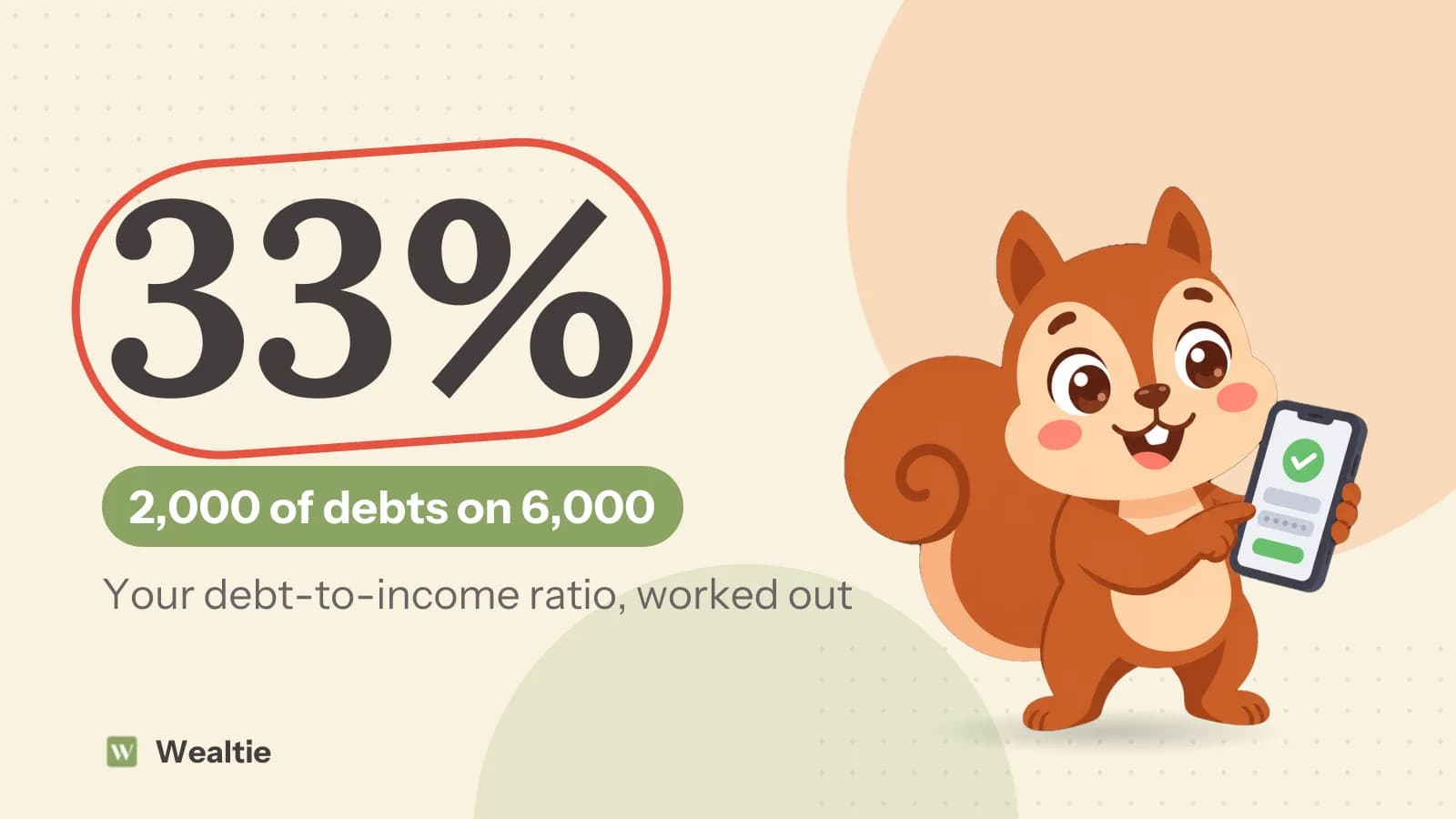
  • Wally checking his phone beside 33%: 2,000 of monthly debt payments on 6,000 of gross income, a debt-to-income ratio worked out.
    BUDGETING

    Debt-to-income ratio: how to calculate it and what yours says

    Your debt-to-income ratio is your monthly debt payments divided by your gross monthly income, as the CFPB defines it. On 2,000 of payments and 6,000 of income, it's 33%. Lenders use it to judge whether you can take on another payment, and each sets its own limit.

    · 3 min read
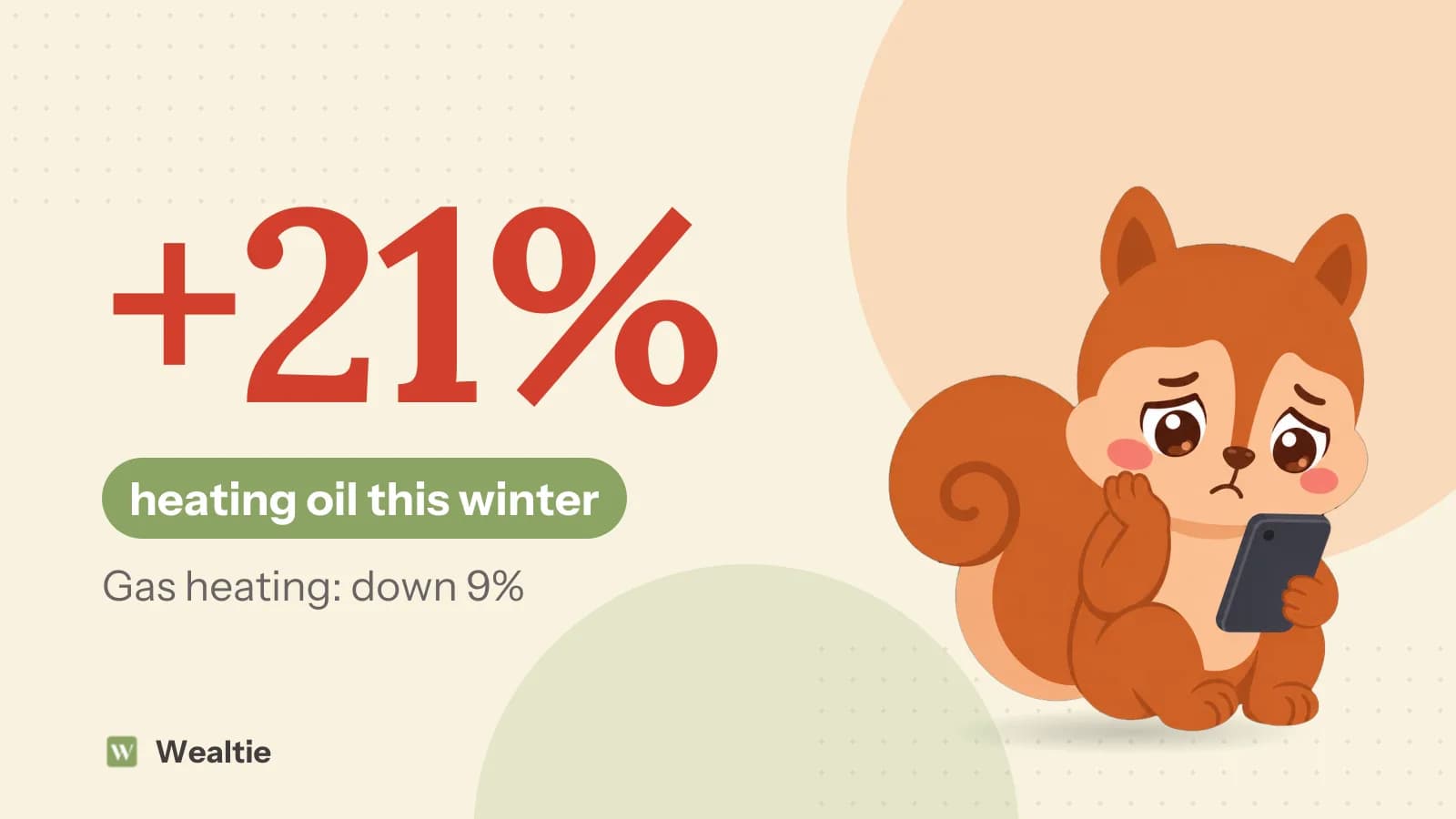
  • Wally looking worried beside +21% in red: heating oil bills this winter, while gas heating is forecast down 9%.
    BUDGETING

    How to save money on heating this winter, and what it will cost

    The biggest way to save money on heating is the thermostat: setting it back while you sleep or are out can cut heating and cooling costs by up to 10%, says the DOE. This winter, the EIA expects gas-heated homes to pay about $640 from November to March, 9% less than last year, and electric-heated homes $1,196.

    · 3 min read

  • Wally giving a thumbs up beside 'Cost per wear': a 30 top worn 3 times costs 10.00 a wear, a 120 coat worn 100 times costs 1.20.
    BUDGETING

    How to save money on clothes without a wardrobe you hate

    The best way to save money on clothes is a yearly clothing budget, split by season, plus a list of what you need before you shop. US households spent $2,010 on clothing and related services in 2025, about $168 a month, by BLS data; your own last year is the better starting number.

    · 3 min read

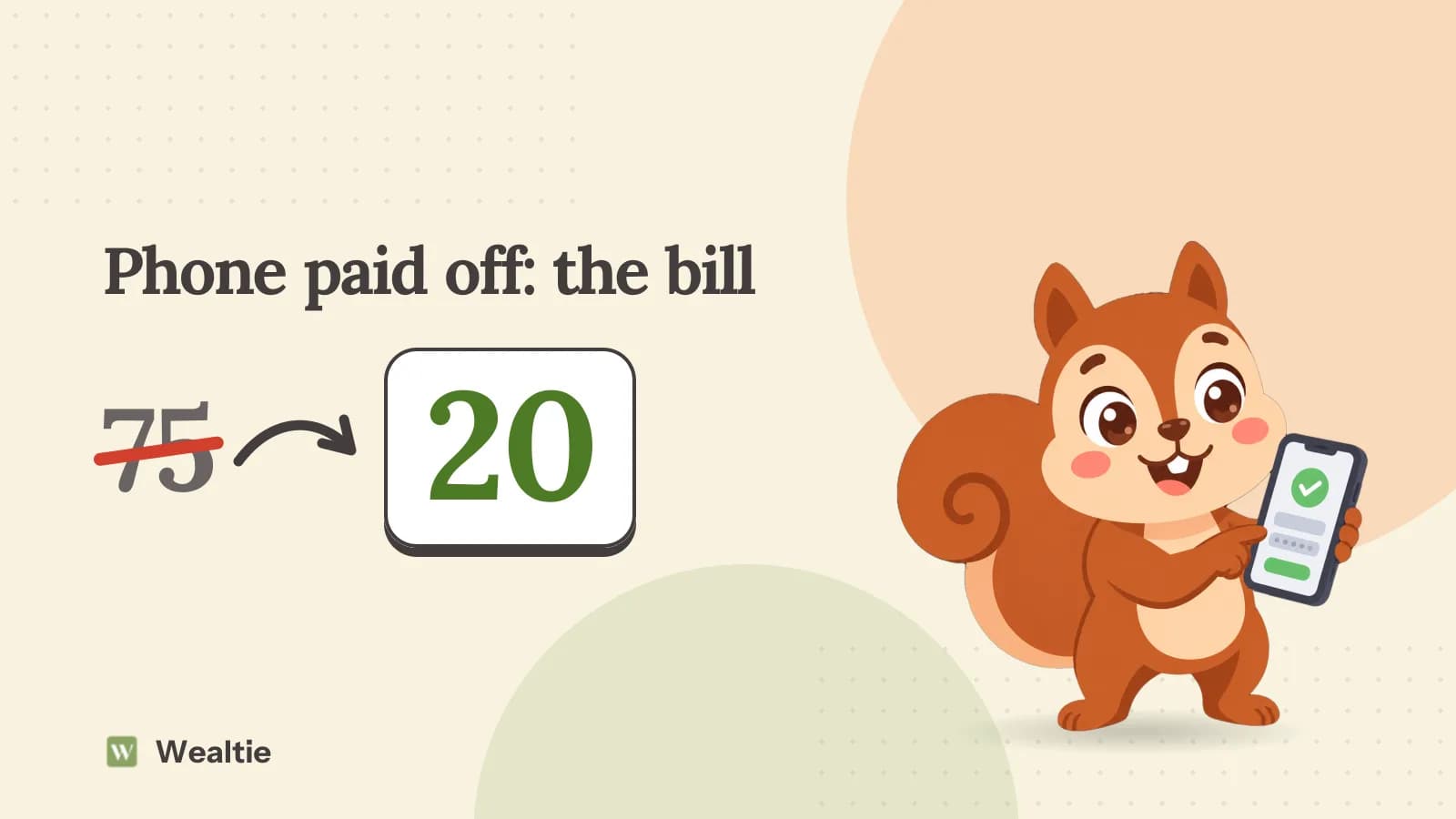
  • Wally checking his phone beside a phone bill dropping from 75 to 20 a month once the handset is paid off and the plan switched.
    BUDGETING

    How to save money on your phone bill, line by line

    To save money on your phone bill, check how much data you actually use, move to a plan that matches it, and separate the phone's price from the service once the handset is paid off. US households spent $1,390 on cell phone service in 2025, about $116 a month, by BLS data.

    · 3 min read

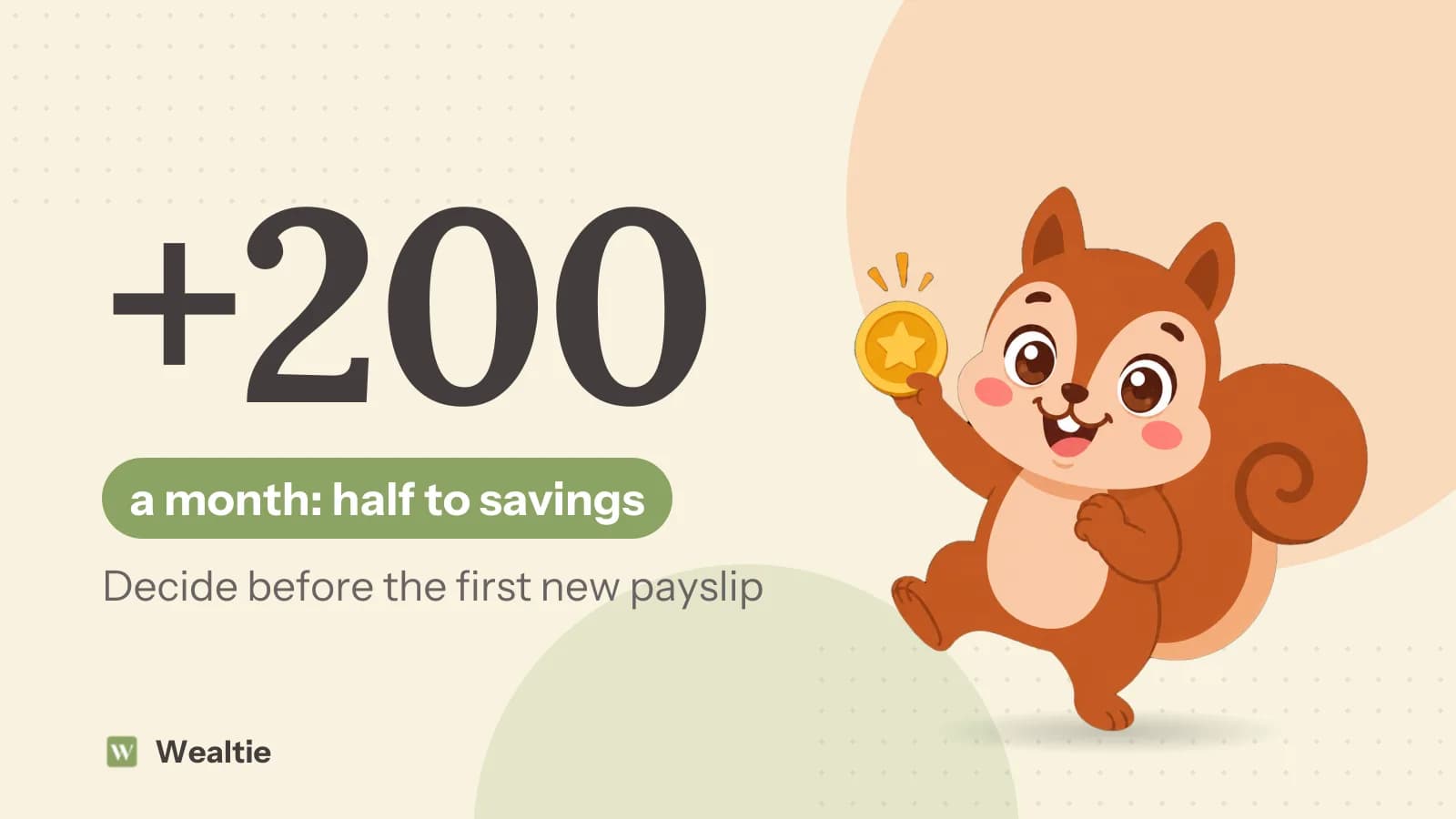
  • Wally cheering with a coin beside +200: a monthly pay rise with half sent to savings, decided before the first new payslip.
    BUDGETING

    What to do with a pay rise so it doesn't disappear into spending

    The best thing to do with a pay rise is decide where it goes before the first bigger payslip arrives. Work out the take-home difference, send at least half of it to savings or debt automatically, and enjoy the rest on purpose. Rises left undecided usually vanish into spending within a few months.

    · 3 min read

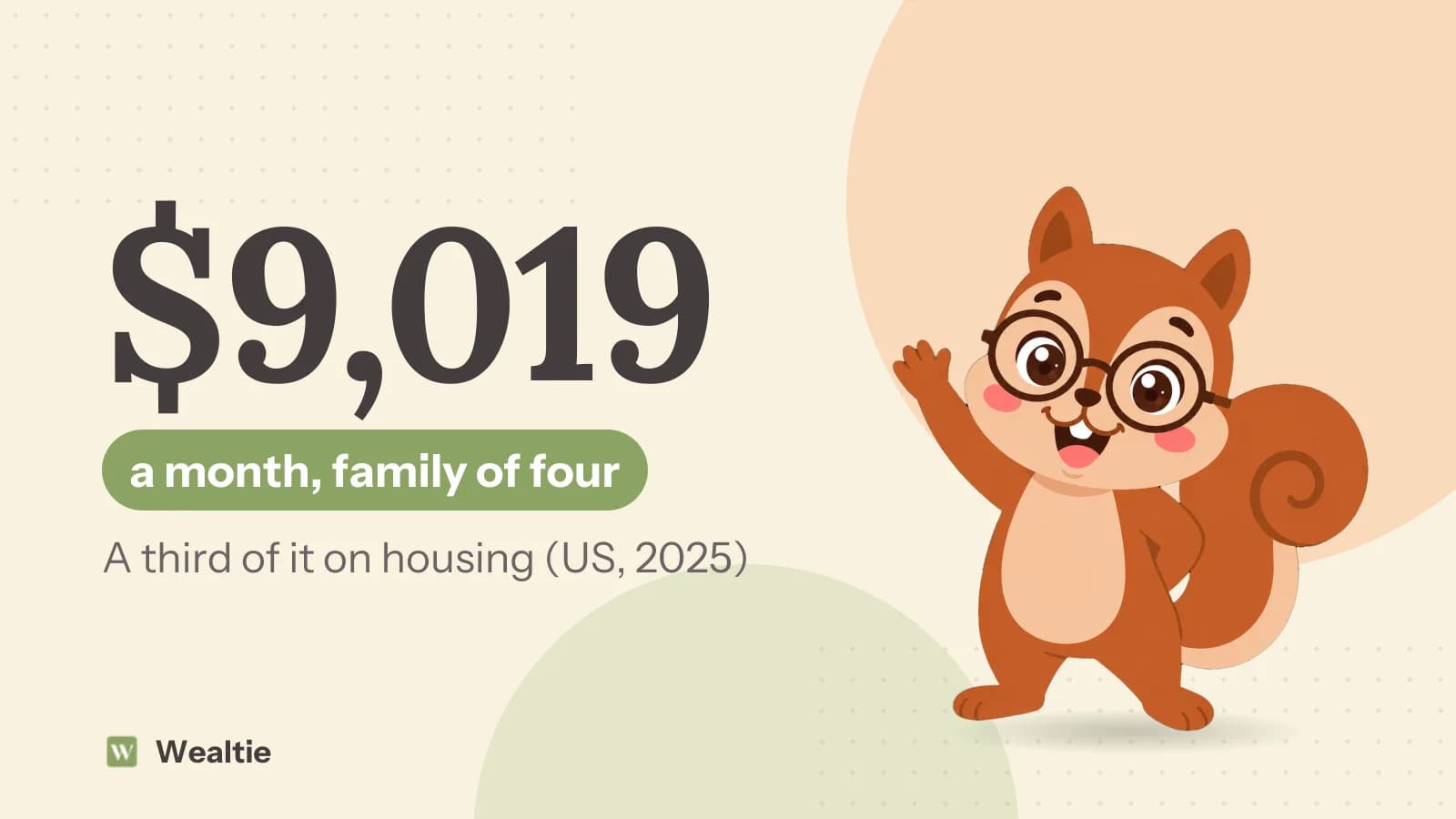
  • Wally waving beside $9,019 a month, the average spending of a four-person US household in 2025, a third of it on housing.
    BUDGETING

    How to make a family budget: what a family of four spends, and a plan

    To make a family budget, start from take-home pay, take off fixed bills and savings, then give every other category a monthly amount based on your last three months. For scale, US four-person households spent about $9,019 a month in 2025, by BLS data, a third of it on housing.

    · 2 min read

  • Wally holding out a coin beside 155 a month for a dog, plus a vet fund, from the post's worked example.
    BUDGETING

    How to budget for a pet: first-year costs, monthly costs and the vet

    To budget for a pet, plan three things: first-year setup costs, a monthly amount for food, routine care and insurance, and a separate fund for vet emergencies. US households spent an average of $997 on pets in 2025, by BLS data, but that average includes homes without pets, so an owner's figure is usually higher.

    · 3 min read

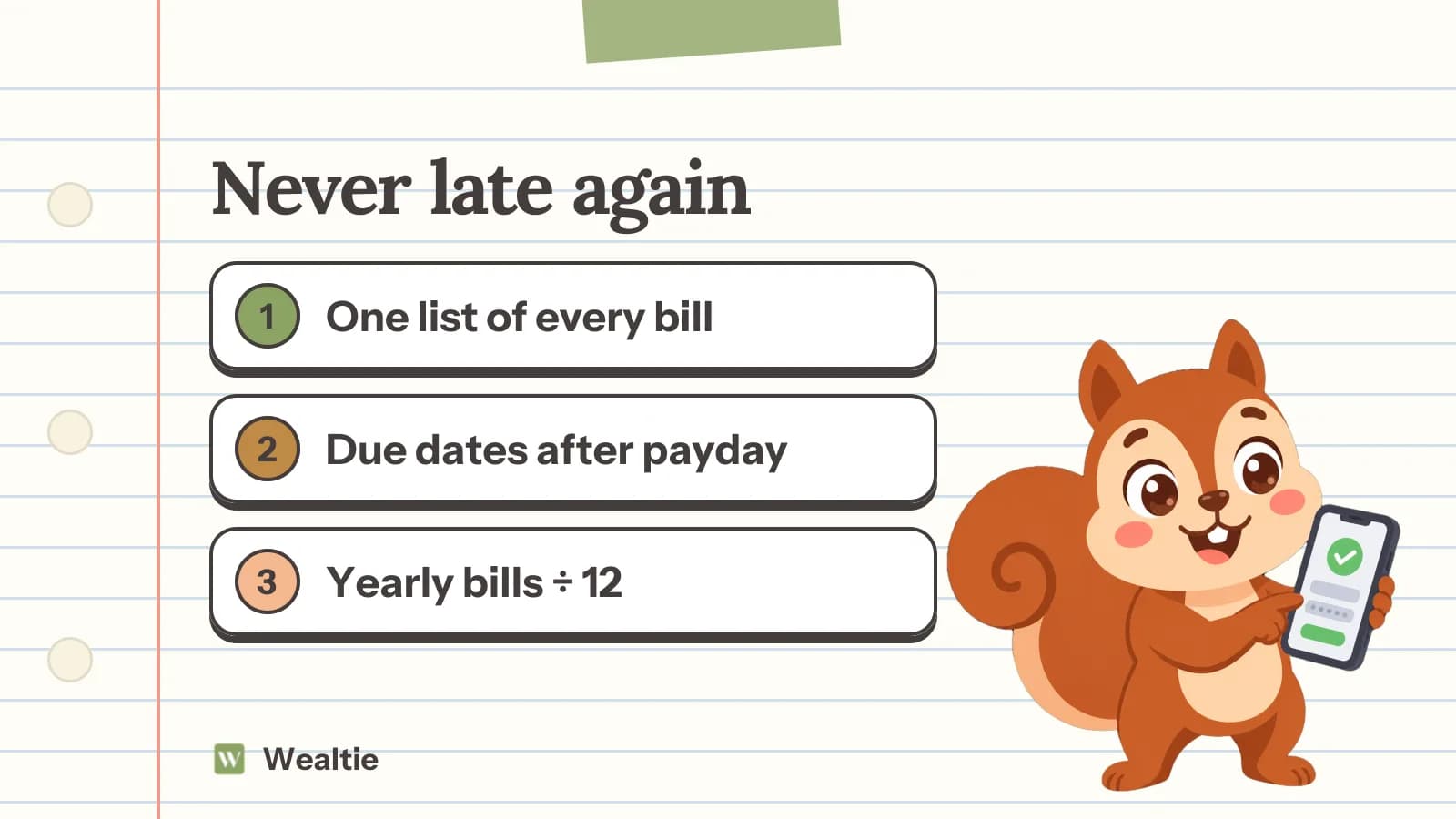
  • Wally checking his phone beside a notebook: never late again. One list of every bill, due dates after payday, yearly bills divided by 12.
    BUDGETING

    How to organize bills so nothing is paid late again

    To organize bills, make one list of every bill with its amount, due date and how it's paid, then move due dates so they fall just after payday and automate the fixed ones. Yearly bills get a monthly amount set aside, so nothing arrives as a surprise. The whole system takes an evening to set up.

    · 3 min read

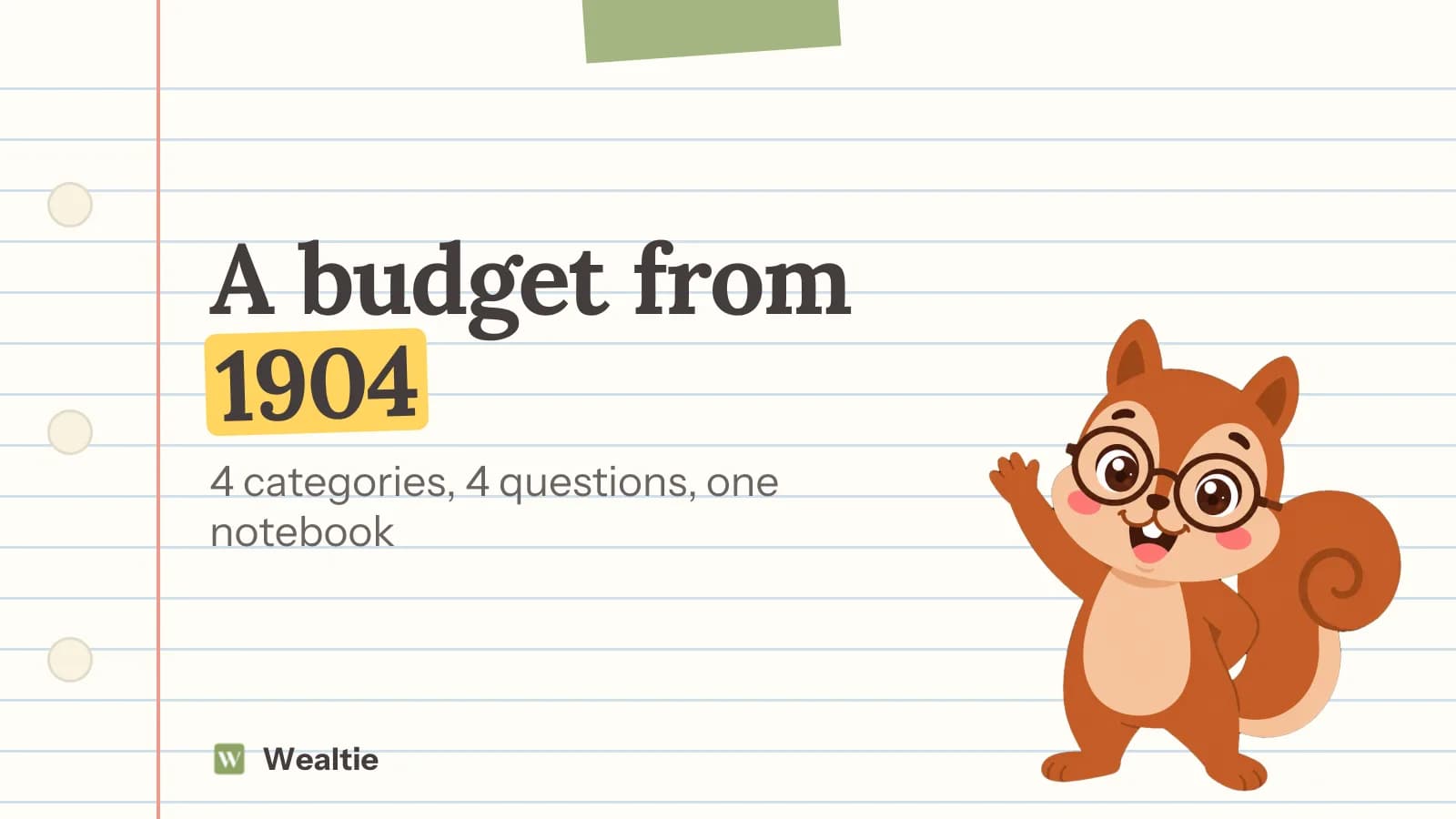
  • Wally waving beside a notebook: 'A budget from 1904: 4 categories, 4 questions, one notebook'.
    BUDGETING

    Kakeibo: the Japanese budgeting method, and how to use it today

    Kakeibo is a Japanese household budgeting method built on a written ledger: set a savings goal at the start of the month, sort every purchase into four categories (needs, wants, culture and unexpected), and answer four questions at the end. The writing is the point: it makes you look at each purchase twice.

    · 3 min read

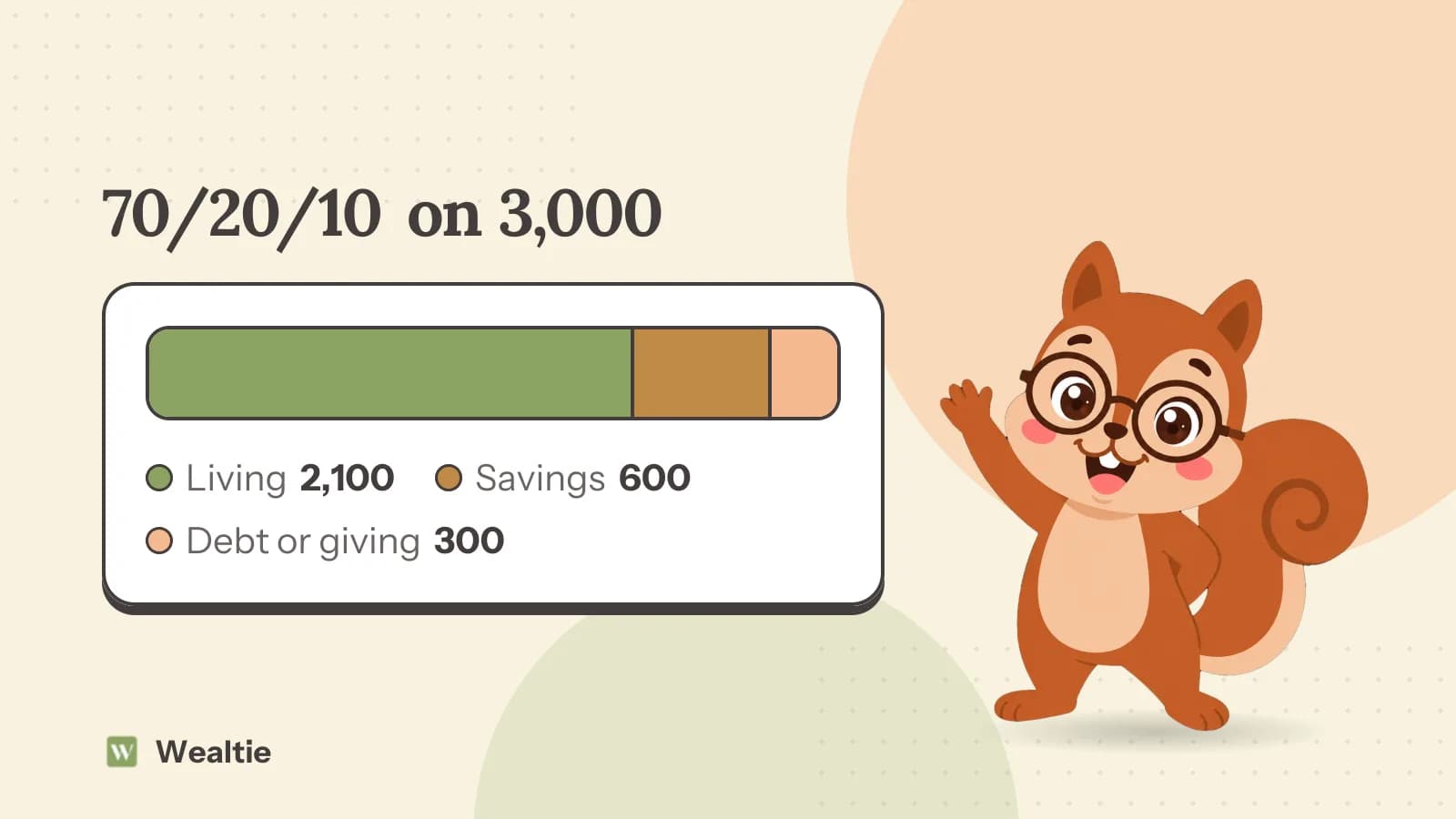
  • Wally waving beside a split bar of 3,000 take-home pay under the 70/20/10 rule: 2,100 living costs, 600 savings, 300 debt or giving.
    BUDGETING

    The 70/20/10 budget rule: how it works and when it beats 50/30/20

    The 70/20/10 budget rule splits take-home pay three ways: 70% for everything you live on, needs and wants together, 20% for savings and 10% for paying off debt or giving. On 3,000 a month, that's 2,100, 600 and 300. It suits people whose rent and bills leave no room for the 50% needs line of the 50/30/20 rule.

    · 3 min read

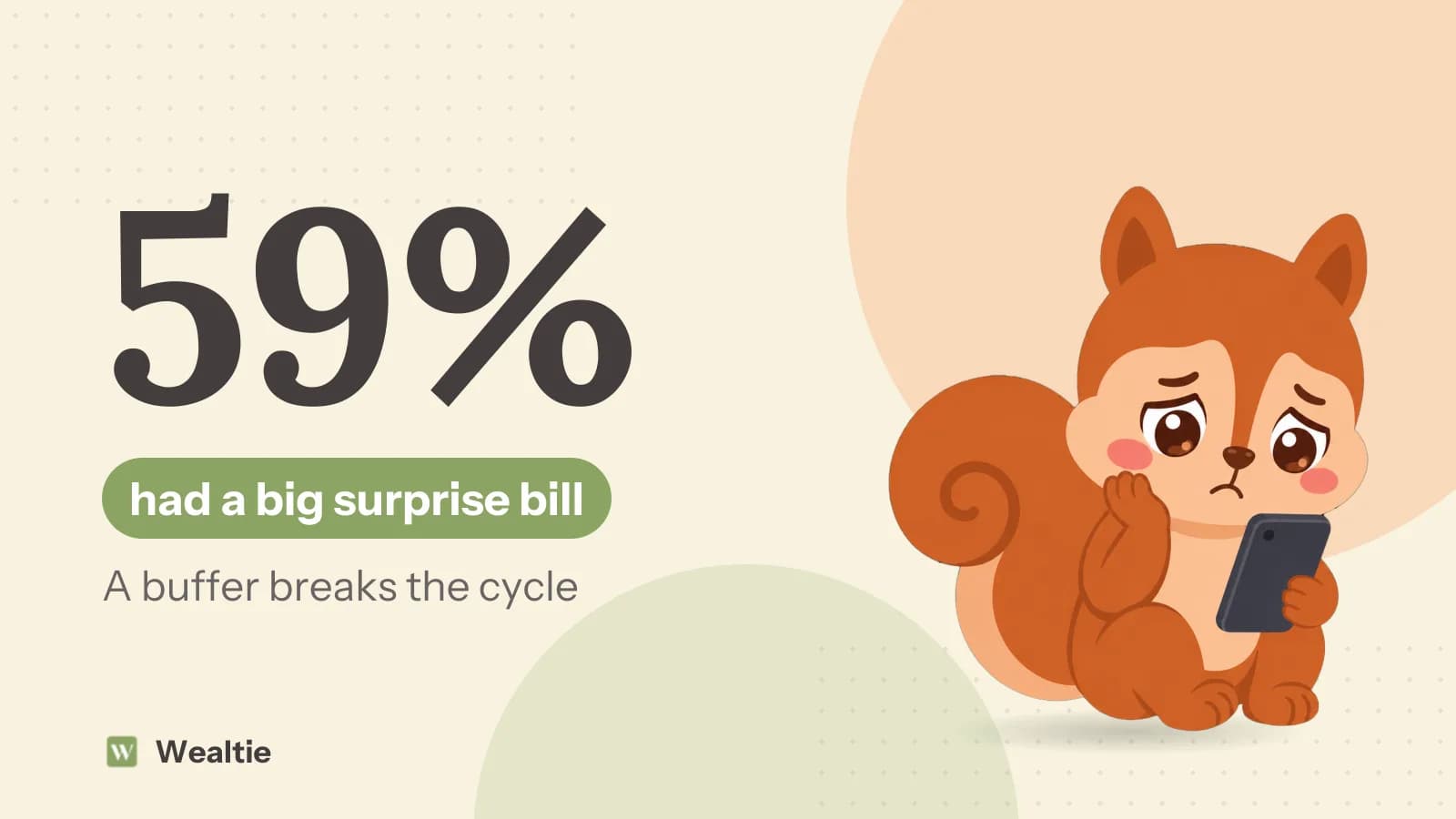
  • Wally looking worried beside 59%: the share of US adults with a major unexpected expense in 2025. A buffer breaks the cycle.
    BUDGETING

    How to stop living paycheck to paycheck, one month at a time

    To stop living paycheck to paycheck, find the week your money runs out and why, then build a small buffer so this month's bills aren't waiting on this month's pay. In the Fed's 2025 survey, 59% of adults had a major unexpected expense in a year, so the buffer is what breaks the cycle, not a tighter budget alone.

    · 3 min read

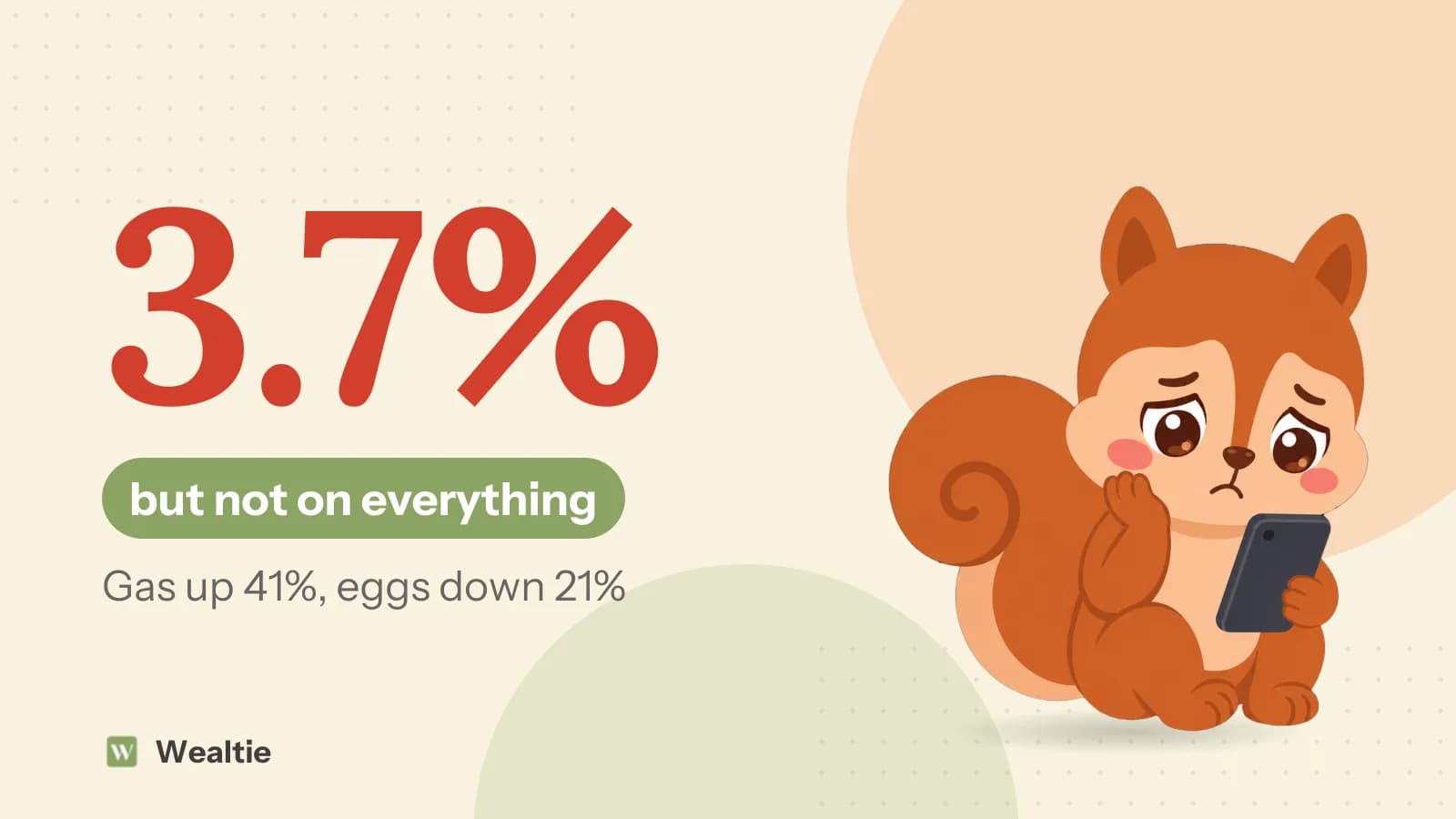
  • Wally looking worried beside 3.7% inflation, but not on everything: gas up 41%, eggs down 21%.
    BUDGETING

    How to budget for inflation when prices rise 3.7% a year

    To budget for inflation, update each category by what its prices actually did, not by the headline rate. US prices rose 3.7% overall in the year to September 2026, but gas rose far more while car insurance and eggs fell. Raise the categories that jumped, look for swaps in those, and recheck your budget every quarter.

    · 3 min read