Wealtie logoWealtie

Wealtie blog: Multi-currency & travel

Tracking money across currencies, countries and accounts without losing the total.
  • Wally making a peace sign beside '600 each': a 2,400 trip shared by four friends, settled in two transfers instead of everyone paying everyone.
    MULTI-CURRENCY & TRAVEL

    How to split travel costs with friends without the awkward maths after

    To split travel costs with friends, agree the budget and the rules before anyone books, keep one shared log of who paid what, and settle up once at the end in as few payments as possible. Most trip arguments come from rules that were never agreed, not from the amounts.

    · 3 min read
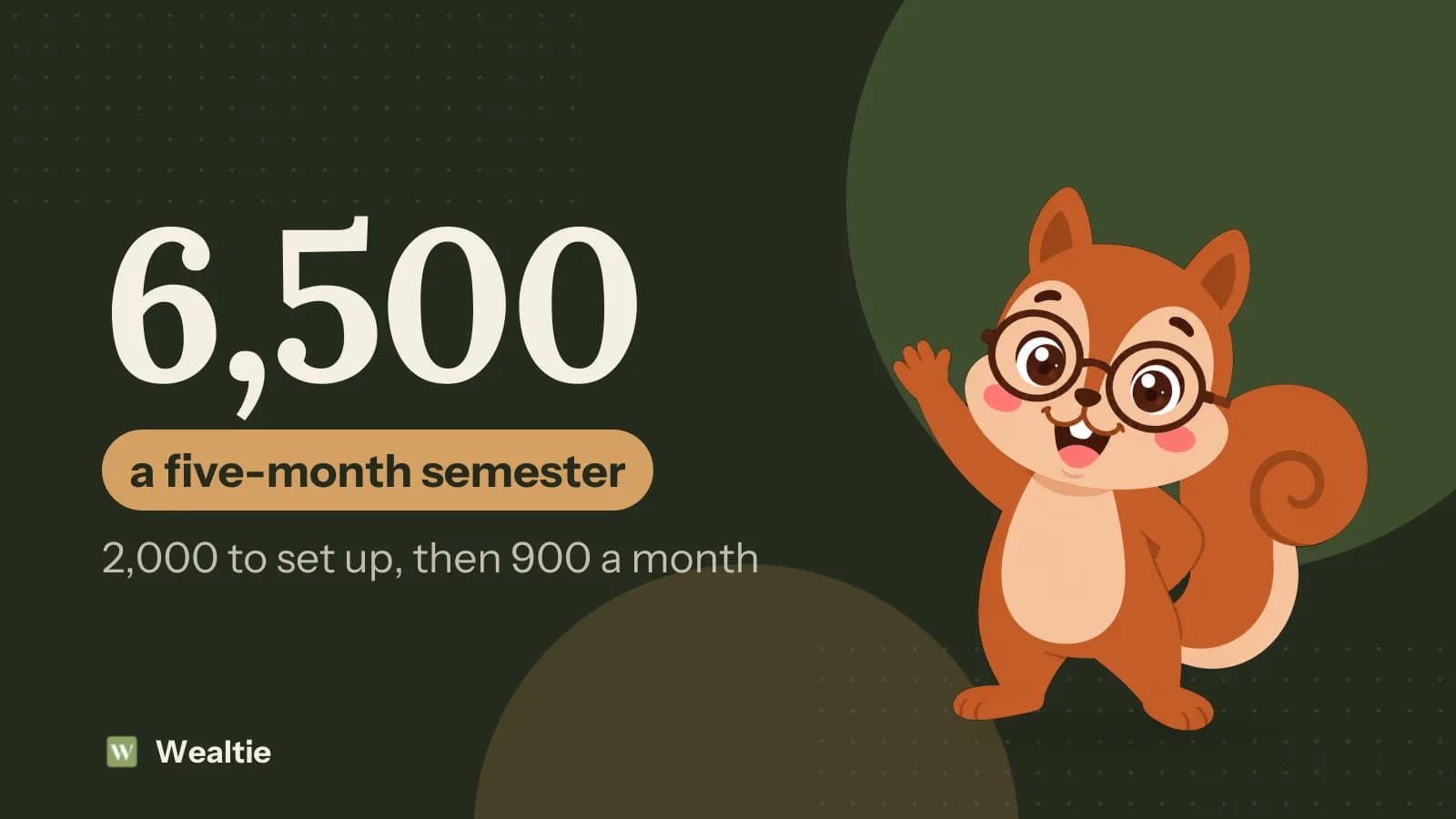
  • Wally waving beside 6,500: a five-month study abroad semester, with 2,000 of one-off costs and then 900 a month.
    MULTI-CURRENCY & TRAVEL

    How to budget for study abroad: before you go and month by month

    To budget for study abroad, split the costs in two: one-off costs before and on arrival, like visas, flights, deposits and insurance, and a monthly budget in the local currency for rent, food, transport and travel. Budget in the currency you'll spend, and keep a buffer for the first month, which costs most.

    · 3 min read

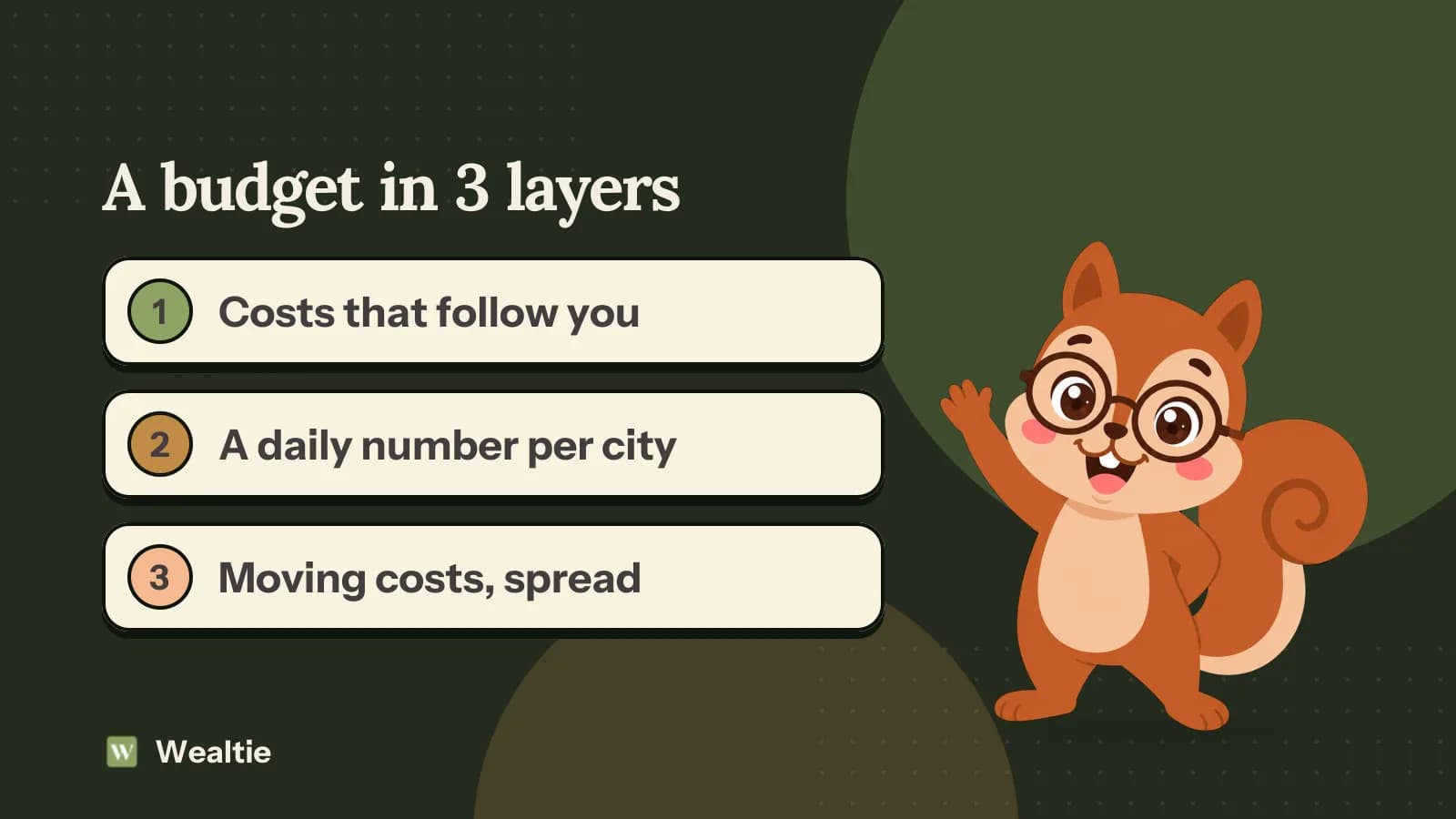
  • Wally waving beside 'A budget in 3 layers': costs that follow you, a daily number per city, moving costs spread out.
    MULTI-CURRENCY & TRAVEL

    A digital nomad budget that survives changing countries

    A digital nomad budget works in three layers: costs that follow you everywhere, like insurance and subscriptions; a daily spending number that resets in each country; and the cost of moving between bases. Budget in the currency you earn, set a monthly total, and let the daily number change with each place.

    · 3 min read

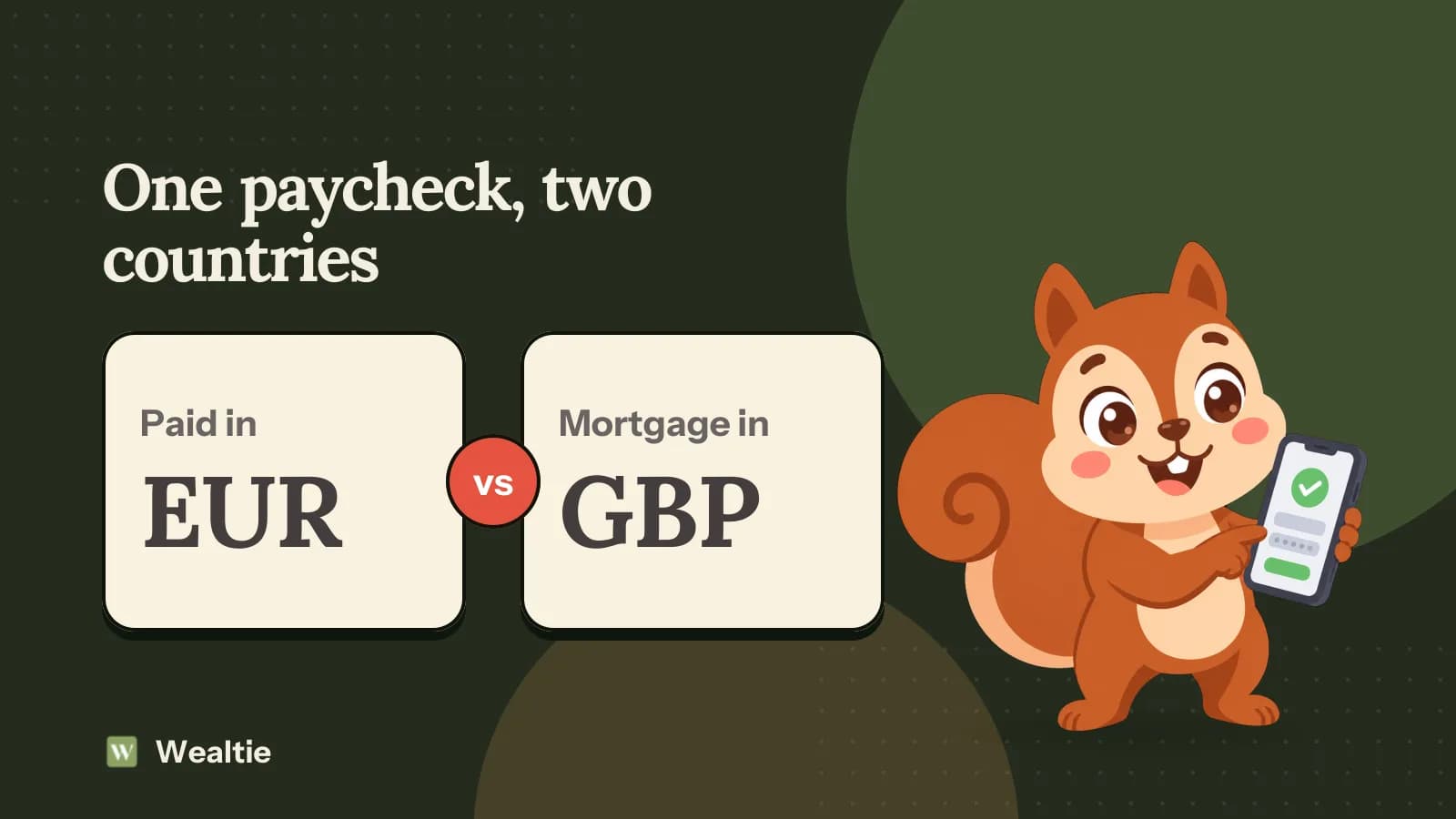
  • Wally checking his phone beside 'One paycheck, two countries': paid in euros, mortgage in pounds.
    MULTI-CURRENCY & TRAVEL

    Budgeting as an expat: two countries, two currencies, one total

    Budgeting as an expat works best in the currency you're paid in, with a separate line for every cost that's still in your home currency: a mortgage, family support, insurance or savings. Convert those at a planned rate, keep a small cushion for exchange swings, and look at both countries in one total.

    · 3 min read

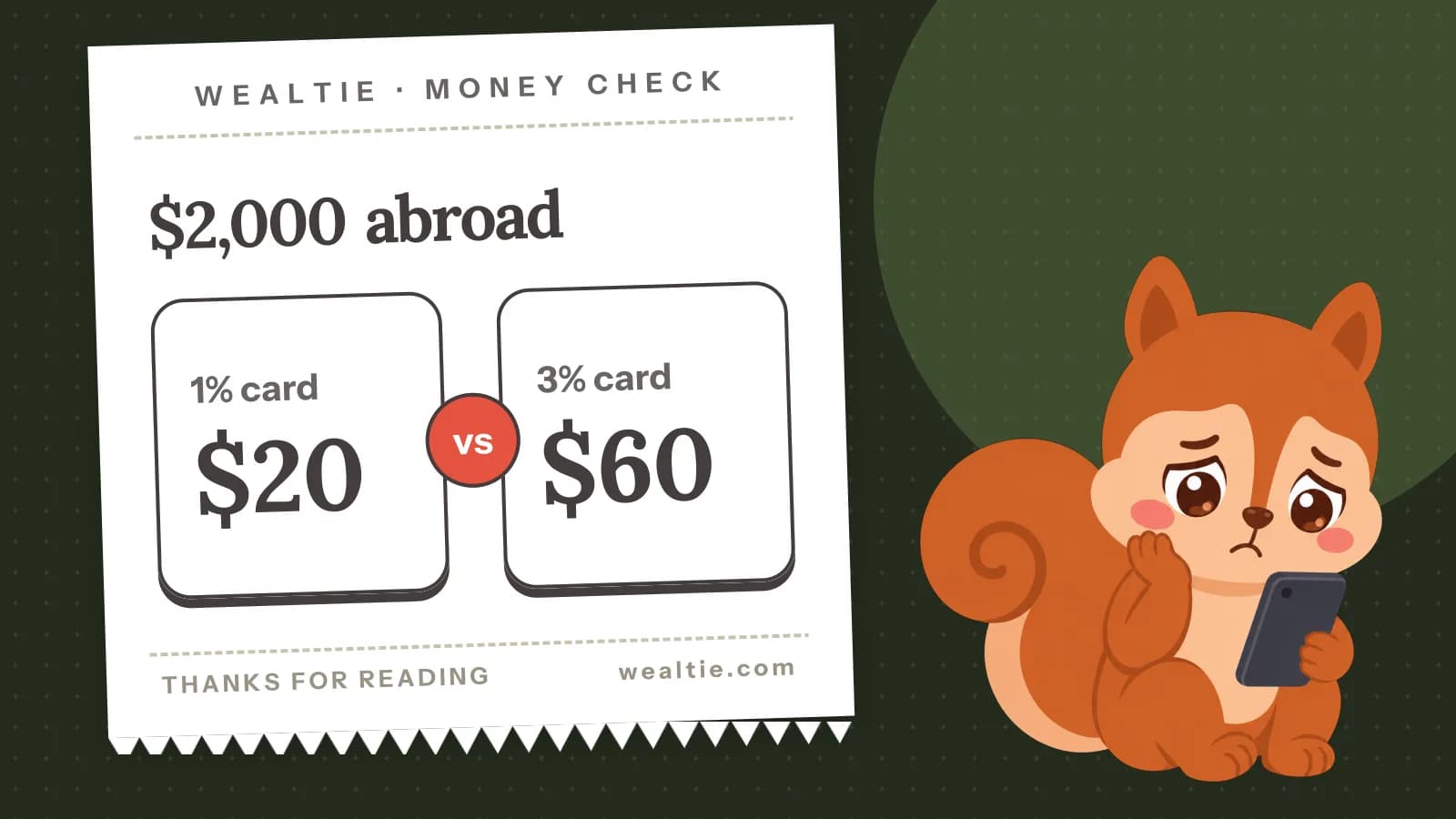
  • Wally looking worried beside a receipt comparing card fees on $2,000 spent abroad: $20 on a 1% card, $60 on a 3% card.
    MULTI-CURRENCY & TRAVEL

    Foreign transaction fees: what they cost and how to avoid them

    A foreign transaction fee is a charge, usually 1% to 3% of the purchase, that your card issuer adds when you pay in a foreign currency or buy from a merchant abroad. Half of US credit card plans charged none in the CFPB's late-2025 survey; most of the rest charged 1% or 3%.

    · 3 min read

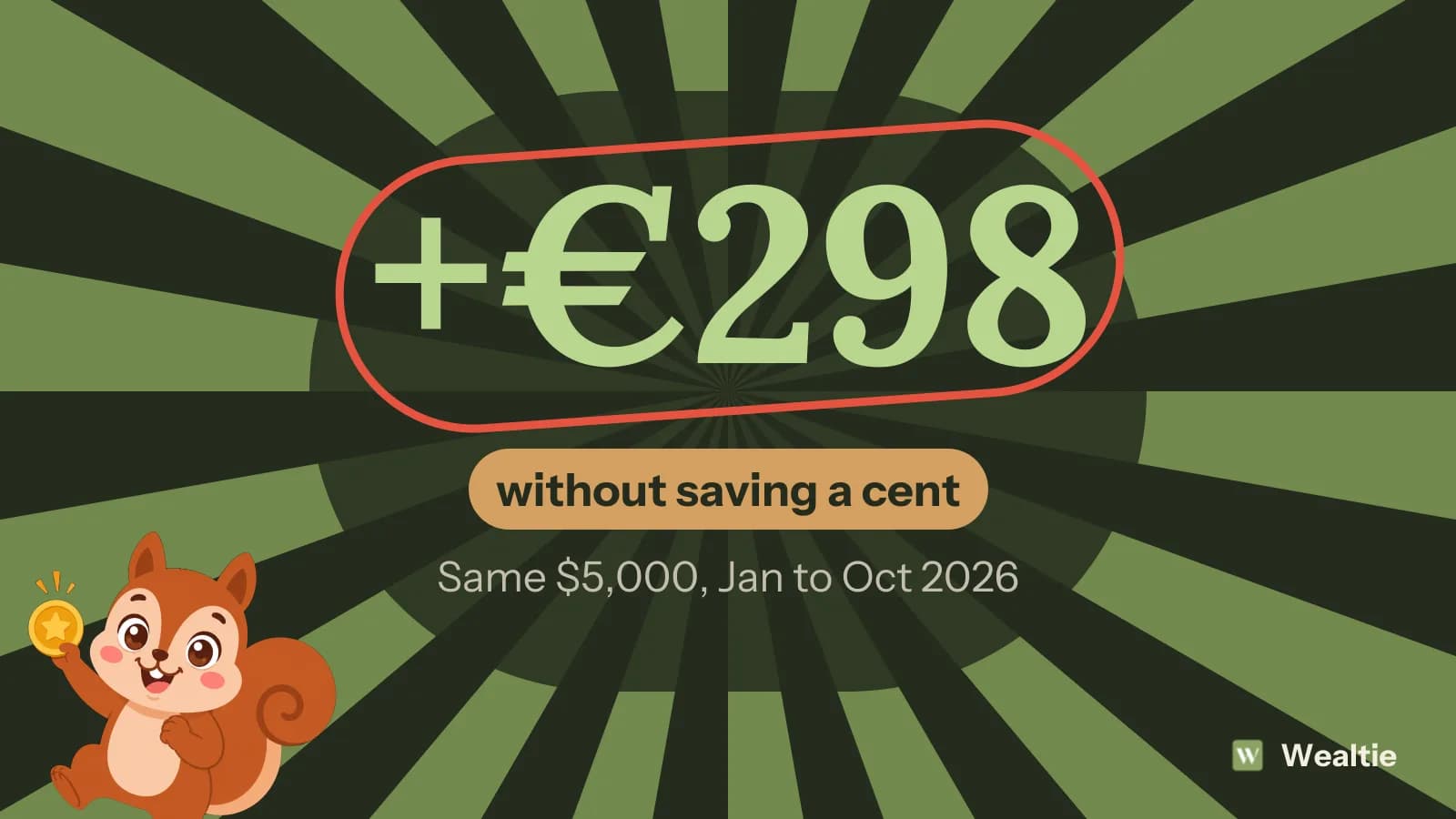
  • Cover: "+€298 without saving a cent", the same $5,000 counted in euros from January to October 2026, with Wally holding up a coin.
    MULTI-CURRENCY & TRAVEL

    Multi-currency budgeting: how to track spending in two currencies

    Multi-currency budgeting works when each account stays in its own currency, every purchase is recorded at what left that account, and only the totals are converted into one home currency, at the day's rate. Convert any earlier and your records stop matching your statements.

    · 4 min read

  • Wally gives a thumbs up beside the question "Pay in which currency?": paying in your own currency abroad uses the shop's rate, paying in the local currency uses your card's rate.
    MULTI-CURRENCY & TRAVEL

    How to budget for a trip abroad, before and while you're there

    To budget for a trip abroad, add up what you pay before you leave, give yourself one daily spending number for everything on the ground, and convert that number into the local currency before you land. Add a buffer of about 10% and check your card's foreign fees. A 10-day example is below.

    · 4 min read