Wealtie logoWealtie

Wealtie blog: Income & freelancing

Budgeting when pay changes month to month: freelancers, contractors, commission and side income.
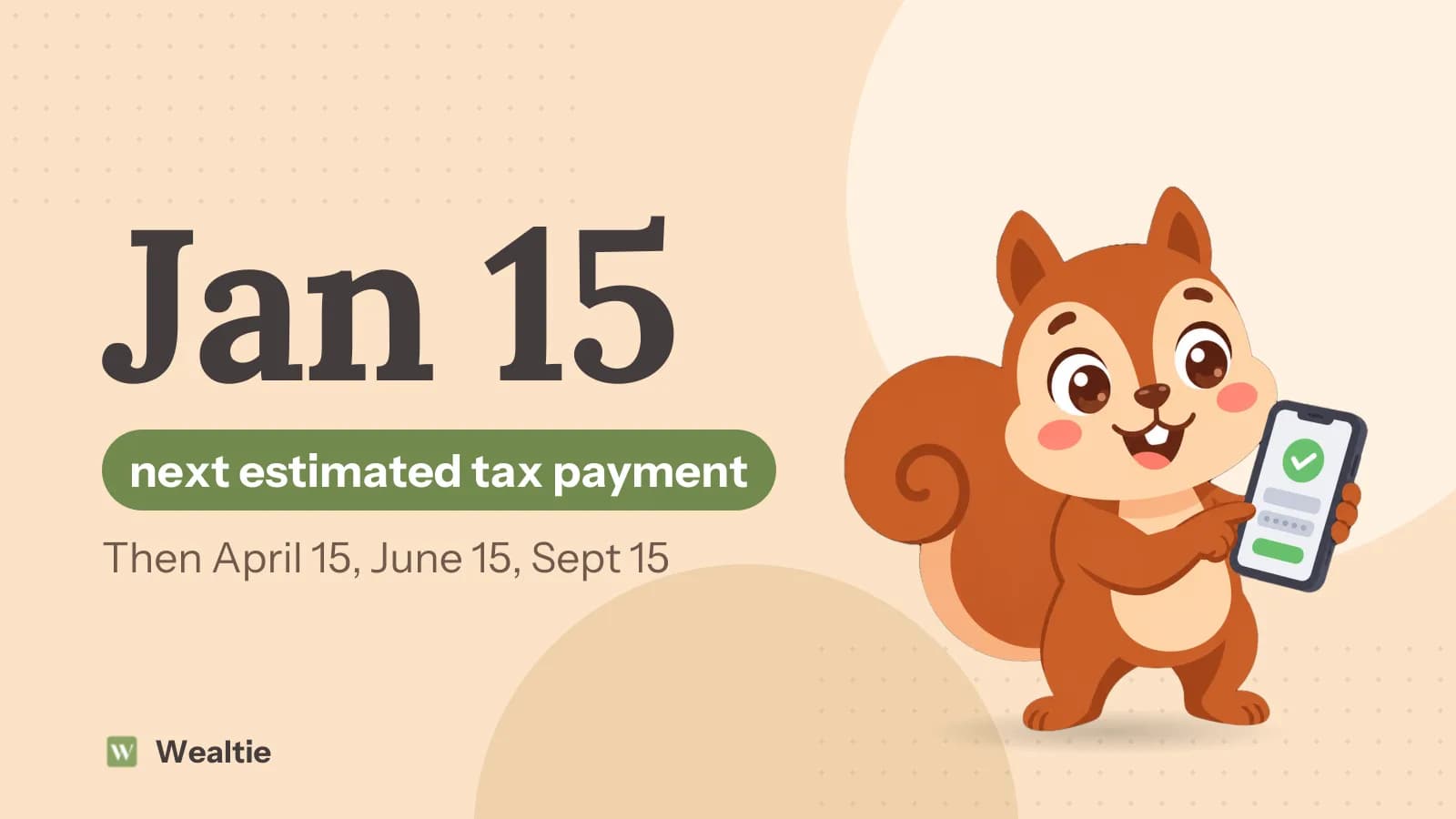
  • Wally checking his phone beside 'Jan 15', the next quarterly estimated tax due date, followed by April 15, June 15 and September 15.
    INCOME & FREELANCING

    Quarterly estimated taxes: the 2027 due dates and how to budget them

    Quarterly estimated taxes are what freelancers and others without enough withholding pay the IRS during the year. You generally have to pay if you expect to owe $1,000 or more. The next due date is January 15, 2027, for income earned from September to December 2026.

    · 3 min read
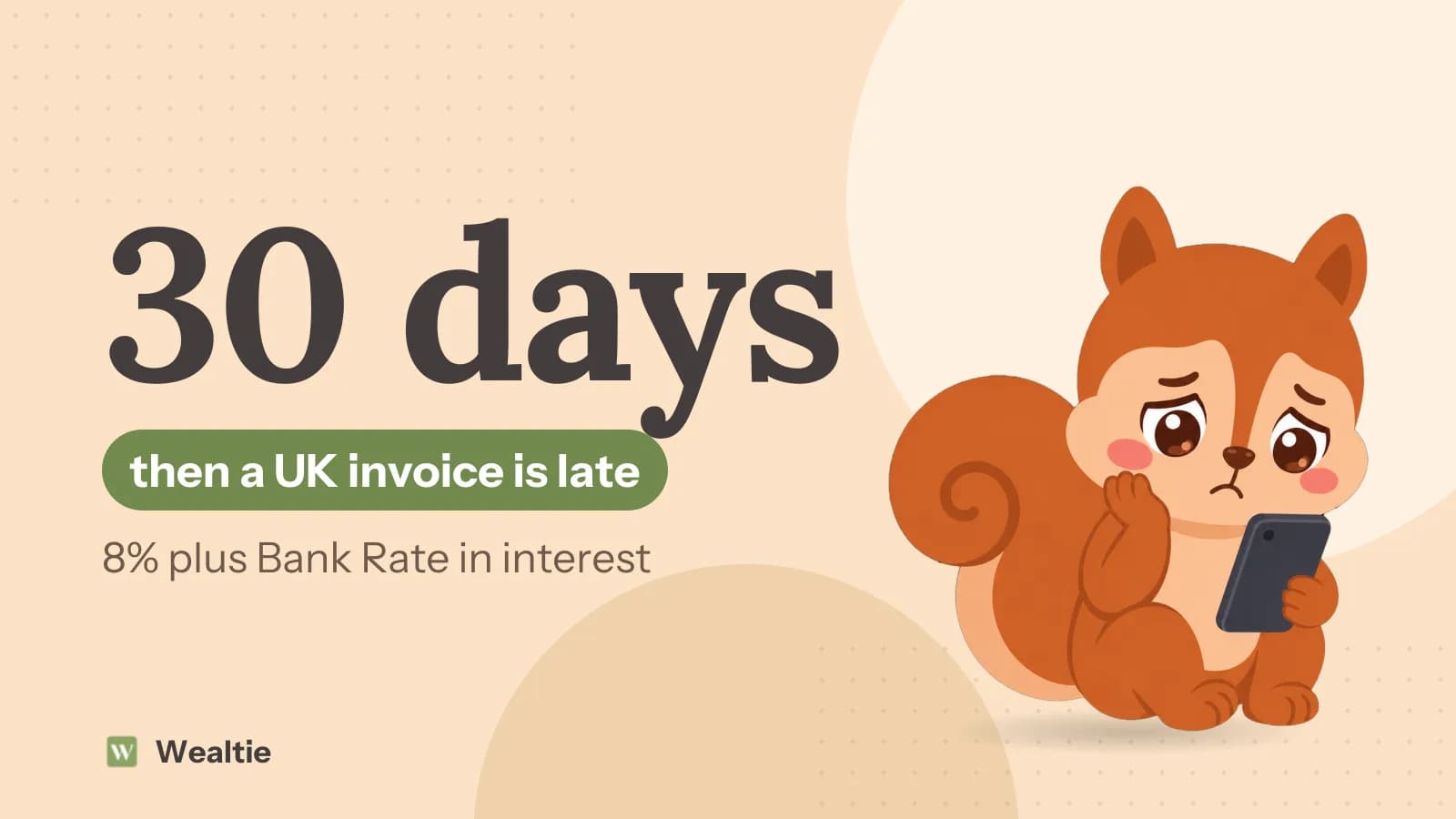
  • Wally looking worried beside '30 days': when a UK business invoice becomes late by default, with statutory interest of 8% plus Bank Rate.
    INCOME & FREELANCING

    What to do when a client pays late, and how to budget around it

    When a client pays late, send a polite reminder the day after the due date, follow up on a fixed schedule, and keep your own bills paid from a buffer, not the missing invoice. In the UK, business-to-business payments are late after 30 days by default, and you can charge 8% plus Bank Rate in interest.

    · 3 min read

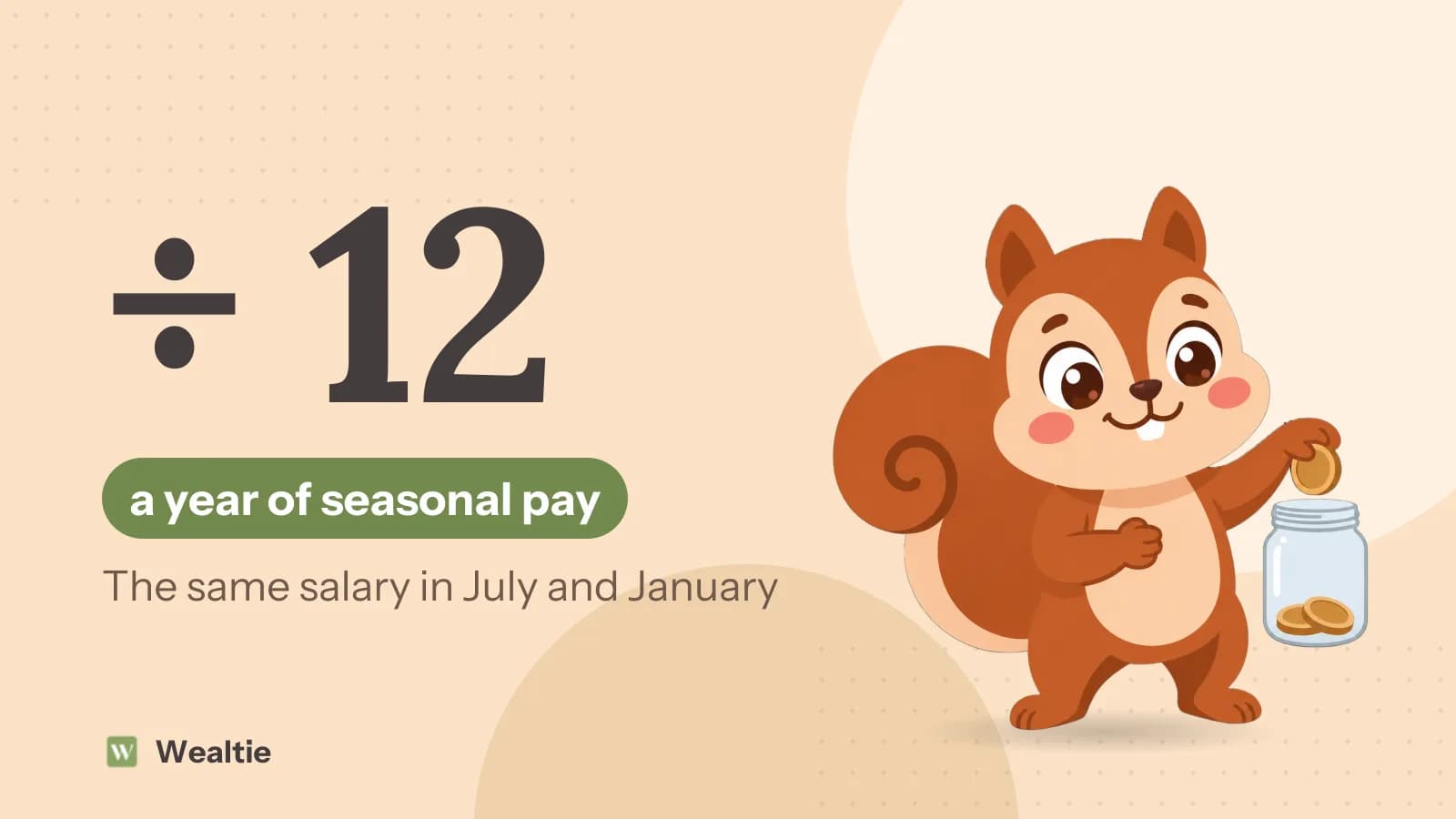
  • Wally with a coin jar beside '÷ 12': a year of seasonal pay divided into the same monthly salary in July and January.
    INCOME & FREELANCING

    How to budget seasonal income so the off-season is already paid for

    To budget seasonal income, add up what you expect to earn in the whole year, divide it by twelve, and pay yourself that amount every month from a holding account. Busy months fill the account; quiet months draw it down. The off-season is then already paid for before it starts.

    · 3 min read

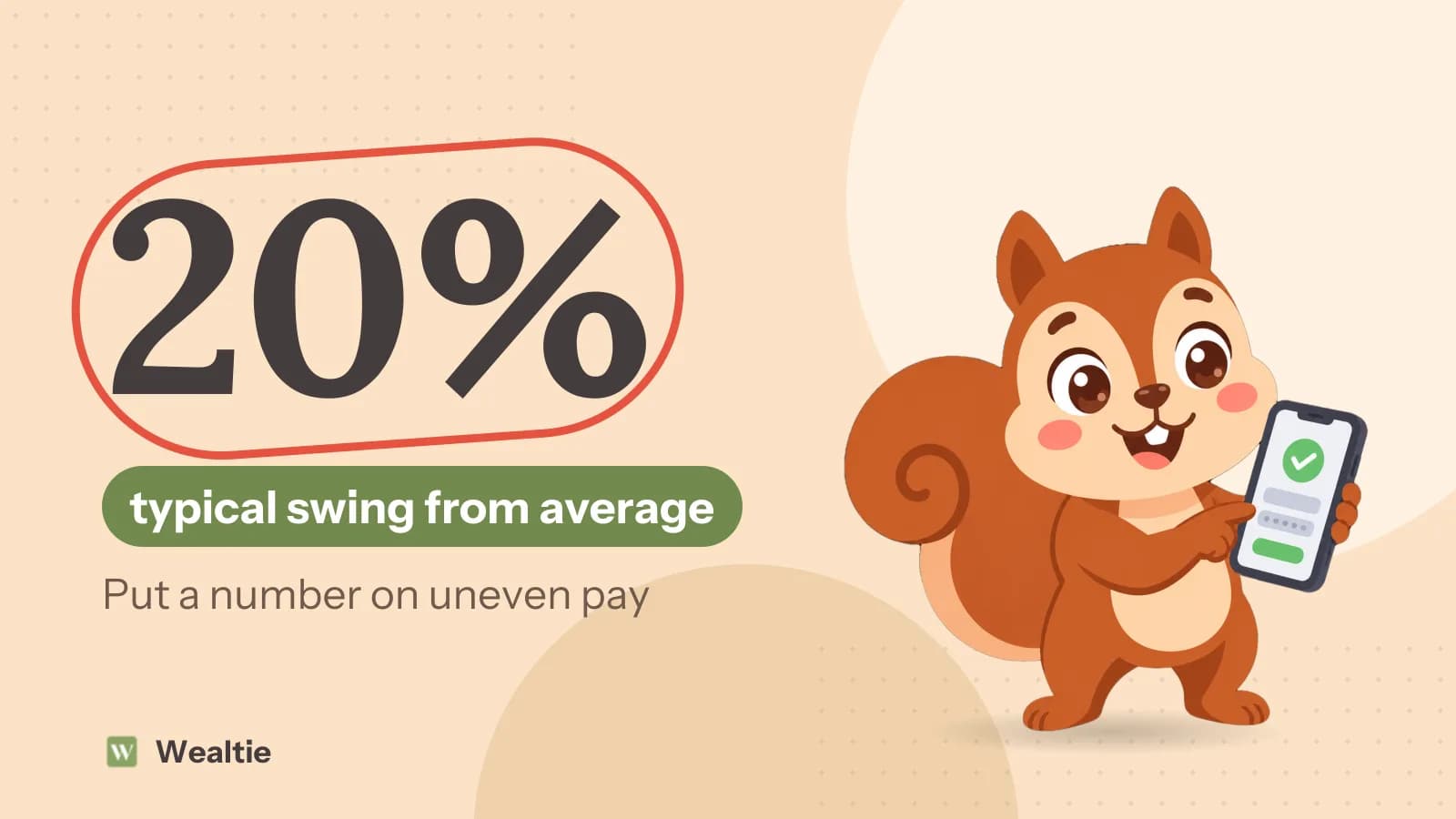
  • Wally checking his phone beside 20%, the typical swing from average in a worked example: put a number on uneven pay.
    INCOME & FREELANCING

    How to measure income stability: put a number on uneven pay

    To measure income stability, take your last 12 months of income and work out three numbers: the lowest normal month, the average, and how far a typical month strays from the average. The smaller that spread, the steadier your income, and the less you need in a buffer to budget on it.

    · 3 min read

  • Wally giving a thumbs up beside 'Plan on the base': spend base pay, bank commission.
    INCOME & FREELANCING

    Budgeting on commission: plan on the base, bank the rest

    Budgeting with commission income works best when your monthly budget runs on base pay alone and every commission check goes to a separate holding account first. From there you cover tax, fill a buffer for slow months, and pay yourself a fixed top-up, so a big quarter doesn't set spending a slow one can't keep.

    · 3 min read

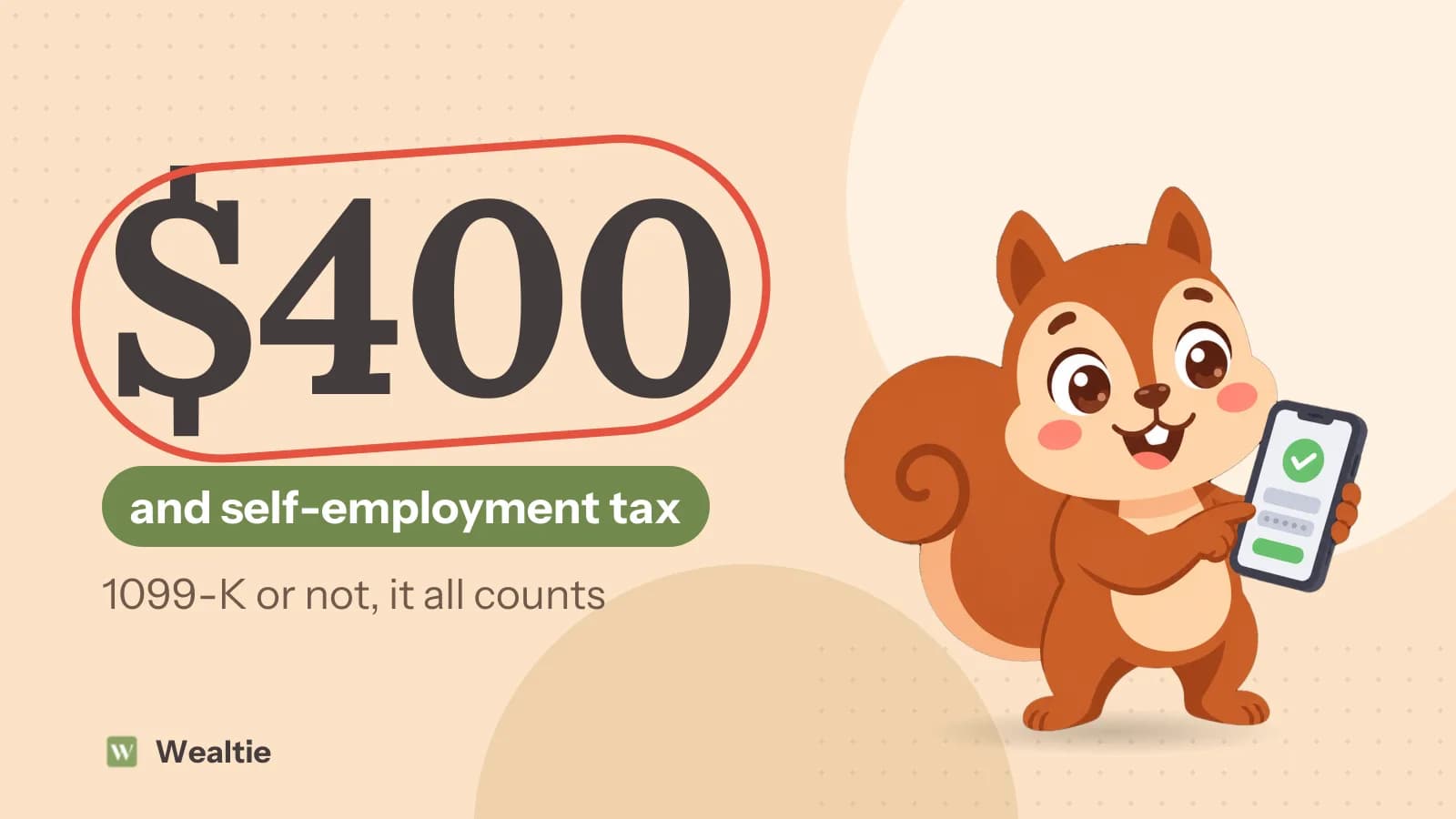
  • Wally checking his phone beside $400: self-employment tax starts at $400 of net side earnings, 1099-K or not.
    INCOME & FREELANCING

    How to track side hustle income without mixing it into your salary

    To track side hustle income, keep it in a separate account, log every payment and every cost the day it happens, and move part of each payment to a tax pot. All side income is taxable in the US whether or not you get a Form 1099-K, and self-employment tax starts at $400 of net earnings.

    · 3 min read

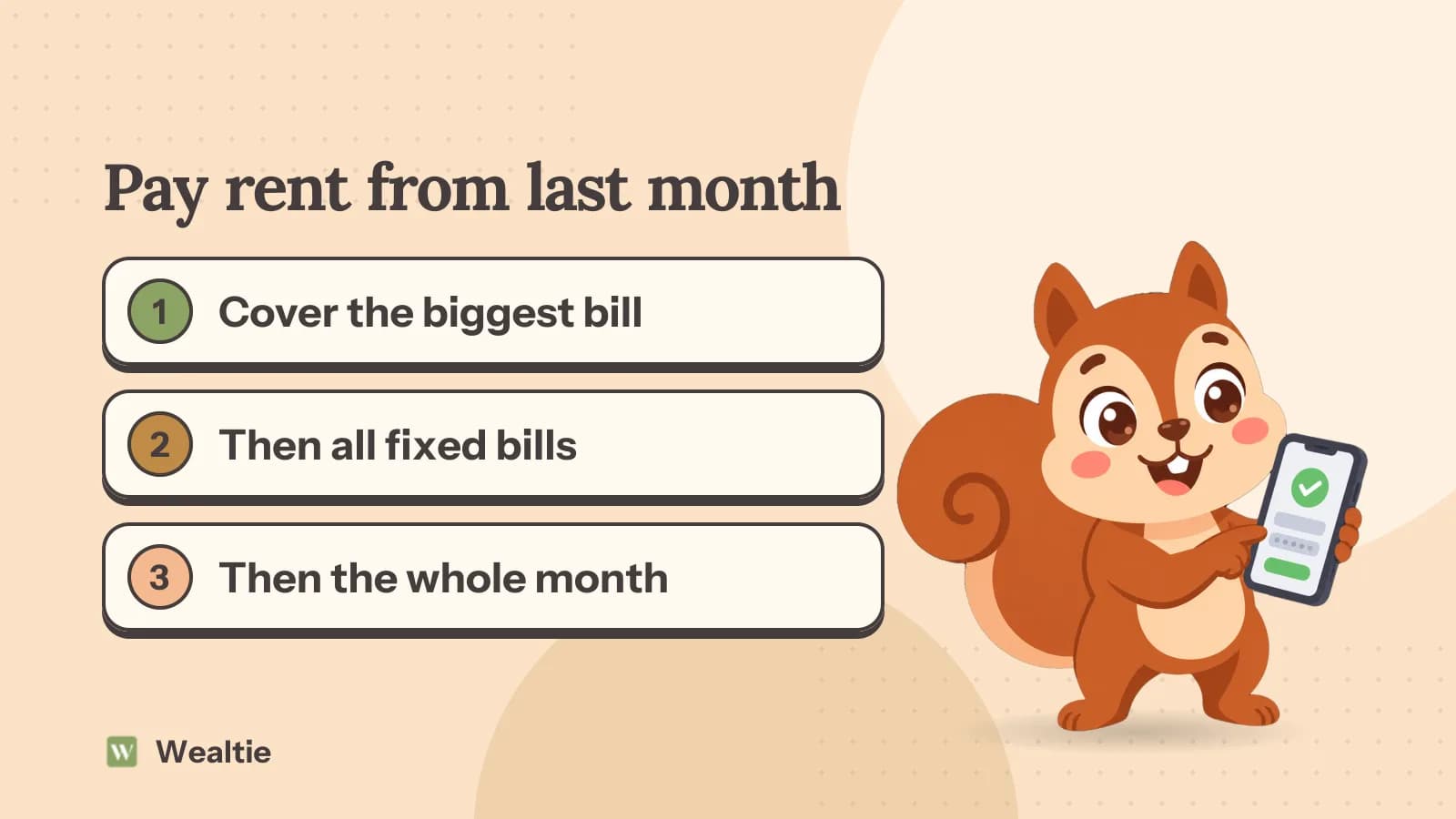
  • Wally checking his phone beside 'Pay rent from last month': cover the biggest bill, then all fixed bills, then the whole month.
    INCOME & FREELANCING

    How to get one month ahead on bills: building the buffer month

    To get one month ahead on bills, save a buffer equal to one month of spending in a separate account, then pay each month's bills from last month's income instead of this month's. You build it in stages, from windfalls, extra paychecks and a small monthly amount, until the whole month is covered.

    · 3 min read

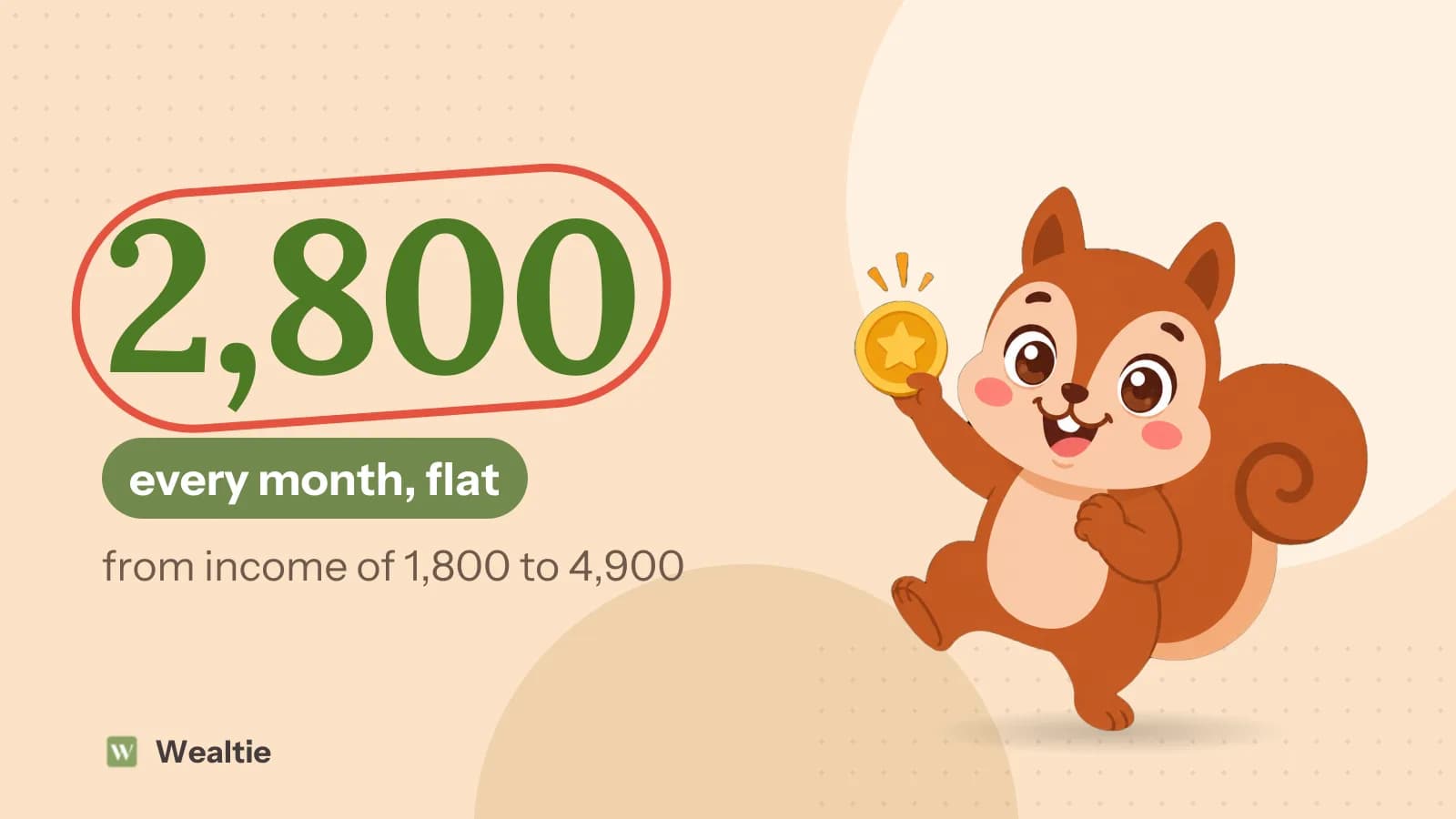
  • Cover: a flat 2,800 every month from income that ranged from 1,800 to 4,900, with Wally holding up a coin.
    INCOME & FREELANCING

    How to pay yourself a salary when you're self-employed

    To pay yourself a salary when self-employed, let client payments land in a business account and move the same amount to your personal account on the same day each month. Set that amount a little under your average month, and hold two months of it as a buffer before you start.

    · 4 min read

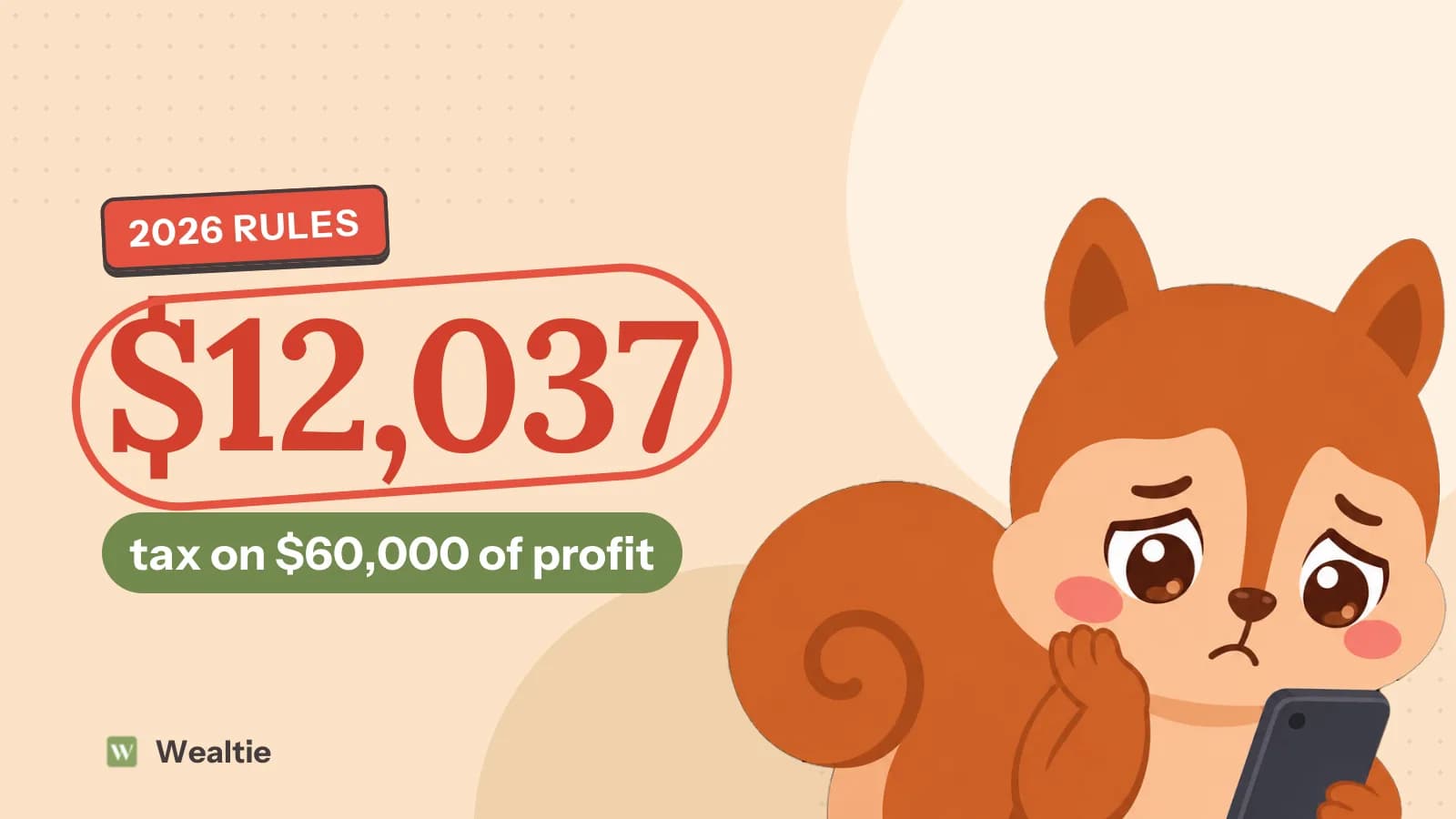
  • A worried Wally next to the figure $12,037, circled in red: the 2026 US federal tax on $60,000 of self-employed profit.
    INCOME & FREELANCING

    How much to set aside for taxes when you're self-employed

    How much to set aside for taxes when you're self-employed in the US: about 20% to 25% of your profit for federal tax, plus your state's income tax. A single filer with $60,000 of profit in 2026 owes about $12,000, or 20%. Move it out every time a client pays, not in April.

    · 4 min read