Wealtie logoWealtie

Money & budgeting blog: Plain answers, sources included

Straight answers to everyday money questions: how much to save, how to set a budget you'll keep, what to do when your pay changes from month to month. Every post works through real numbers and shows where they come from.
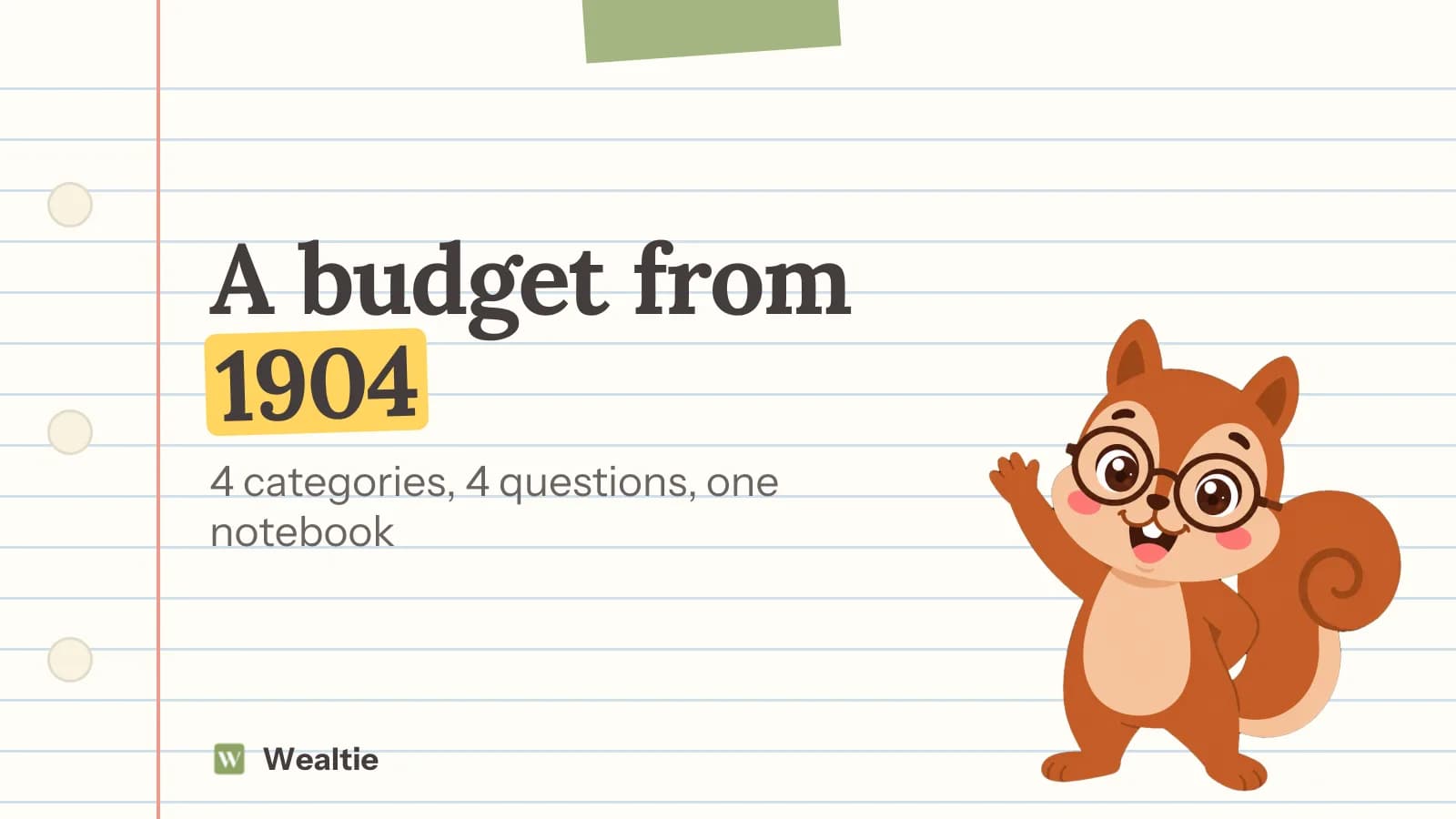
  • Wally waving beside a notebook: 'A budget from 1904: 4 categories, 4 questions, one notebook'.
    BUDGETING

    Kakeibo: the Japanese budgeting method, and how to use it today

    Kakeibo is a Japanese household budgeting method built on a written ledger: set a savings goal at the start of the month, sort every purchase into four categories (needs, wants, culture and unexpected), and answer four questions at the end. The writing is the point: it makes you look at each purchase twice.

    · 3 min read
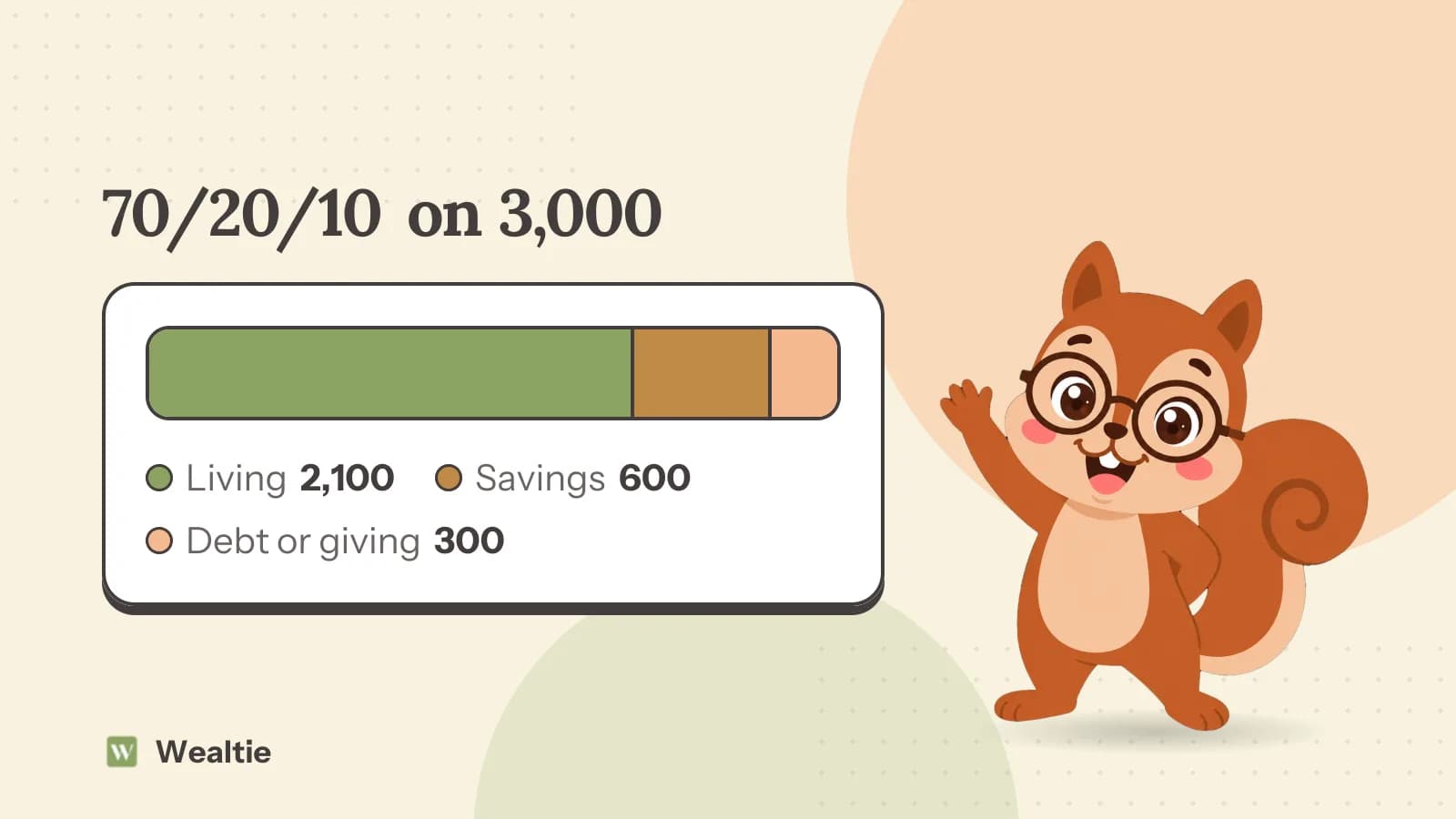
  • Wally waving beside a split bar of 3,000 take-home pay under the 70/20/10 rule: 2,100 living costs, 600 savings, 300 debt or giving.
    BUDGETING

    The 70/20/10 budget rule: how it works and when it beats 50/30/20

    The 70/20/10 budget rule splits take-home pay three ways: 70% for everything you live on, needs and wants together, 20% for savings and 10% for paying off debt or giving. On 3,000 a month, that's 2,100, 600 and 300. It suits people whose rent and bills leave no room for the 50% needs line of the 50/30/20 rule.

    · 3 min read

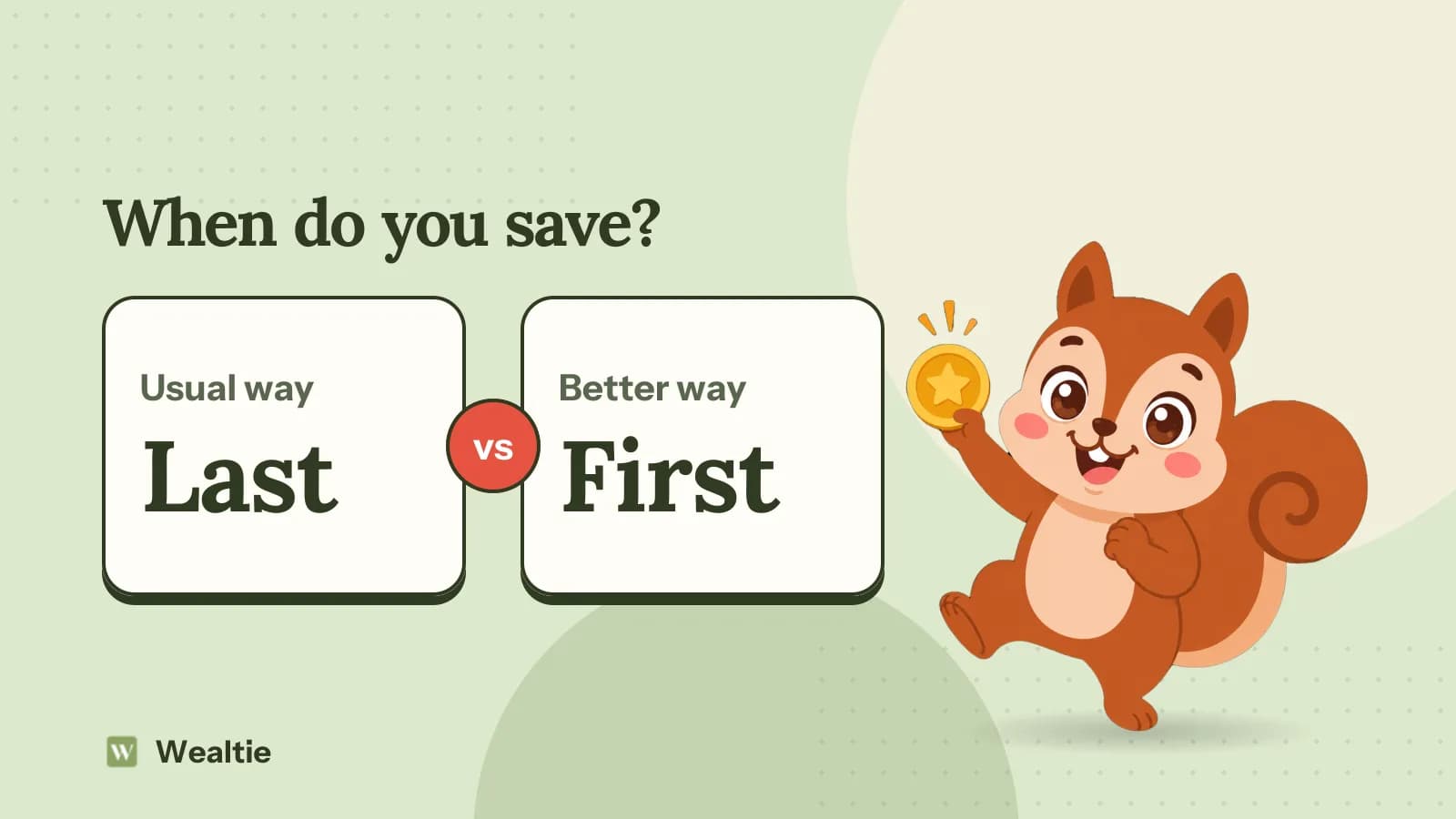
  • Wally holding up a coin beside 'When do you save?': the usual way is last, the better way is first.
    SAVING

    Pay yourself first: how to save before you spend, with numbers

    Pay yourself first means moving a set amount into savings on payday, before rent, bills or anything else, and living on what's left. Instead of saving whatever remains at the end of the month, which is usually nothing, you decide the saving first and the spending fits around it.

    · 3 min read

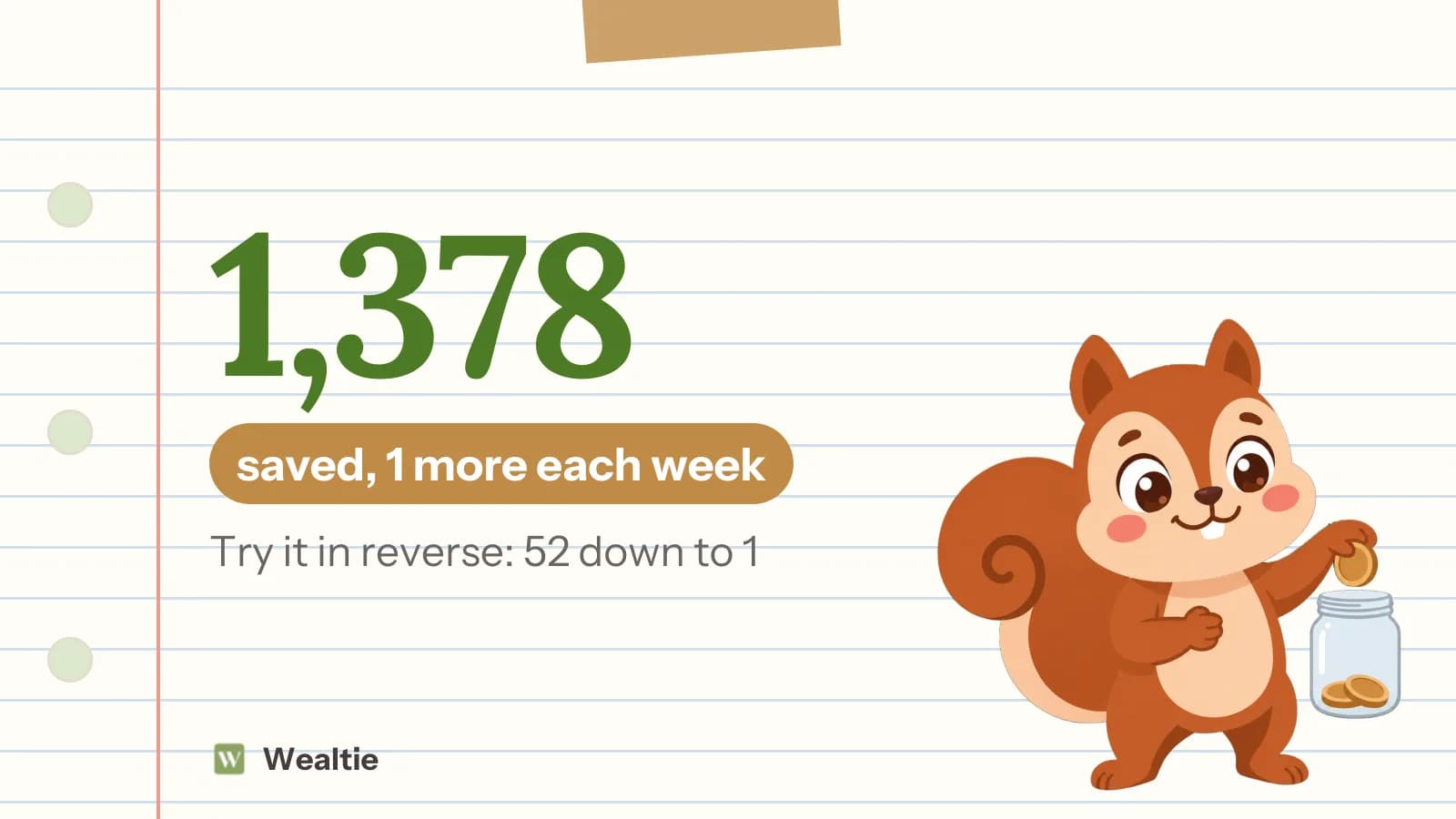
  • Wally dropping a coin into a jar beside 1,378 saved in 52 weeks, 1 more each week. Try it in reverse: 52 down to 1.
    SAVING

    52-week savings challenge: $1,378 in a year, and versions that work

    The 52 week savings challenge has you save 1 in week one, 2 in week two, and so on up to 52 in the last week, for 1,378 by the end of the year. The catch is that the biggest weeks land in December; doing it in reverse, starting at 52, puts the hard weeks first and finishes the same.

    · 3 min read

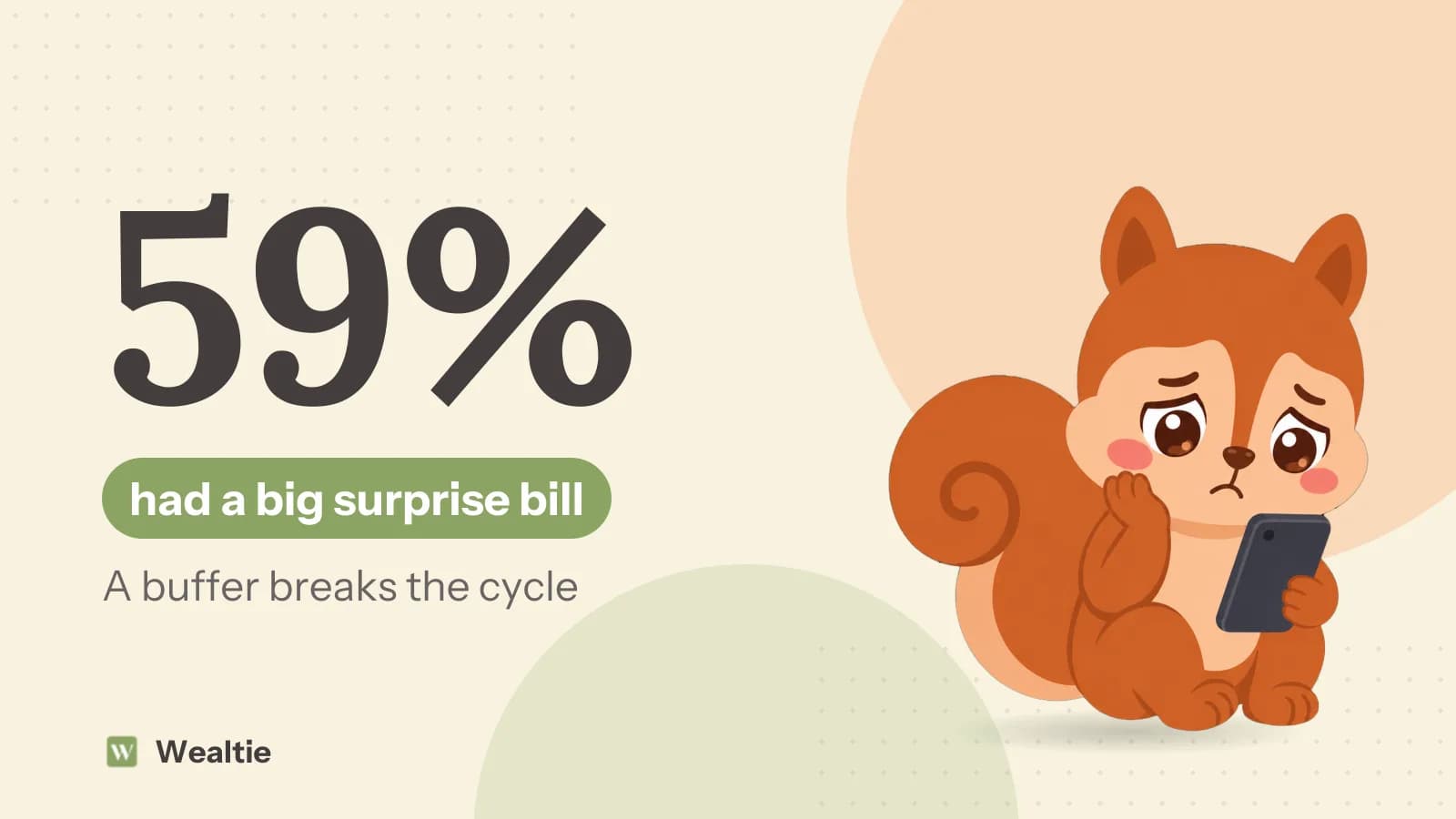
  • Wally looking worried beside 59%: the share of US adults with a major unexpected expense in 2025. A buffer breaks the cycle.
    BUDGETING

    How to stop living paycheck to paycheck, one month at a time

    To stop living paycheck to paycheck, find the week your money runs out and why, then build a small buffer so this month's bills aren't waiting on this month's pay. In the Fed's 2025 survey, 59% of adults had a major unexpected expense in a year, so the buffer is what breaks the cycle, not a tighter budget alone.

    · 3 min read

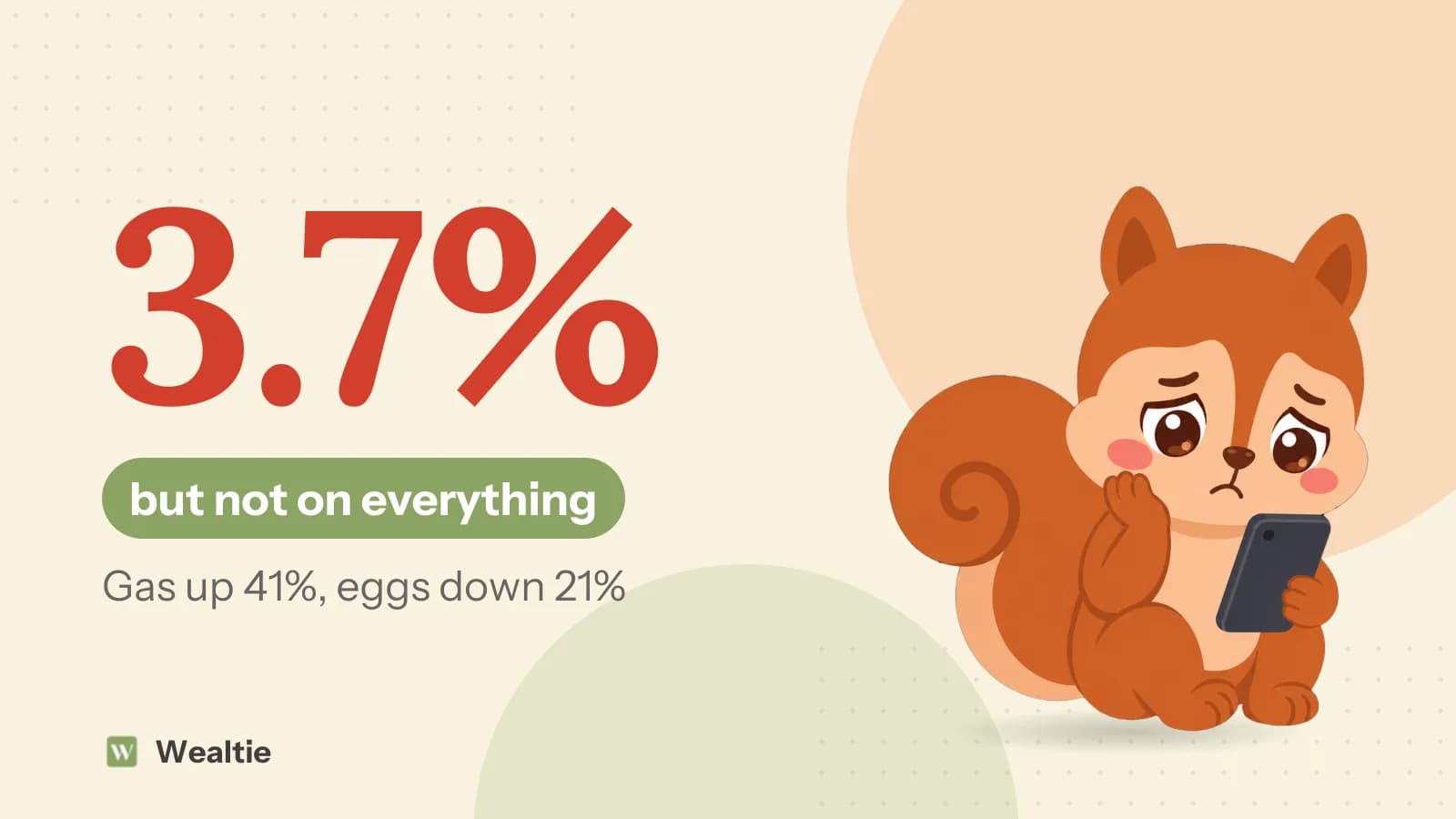
  • Wally looking worried beside 3.7% inflation, but not on everything: gas up 41%, eggs down 21%.
    BUDGETING

    How to budget for inflation when prices rise 3.7% a year

    To budget for inflation, update each category by what its prices actually did, not by the headline rate. US prices rose 3.7% overall in the year to September 2026, but gas rose far more while car insurance and eggs fell. Raise the categories that jumped, look for swaps in those, and recheck your budget every quarter.

    · 3 min read

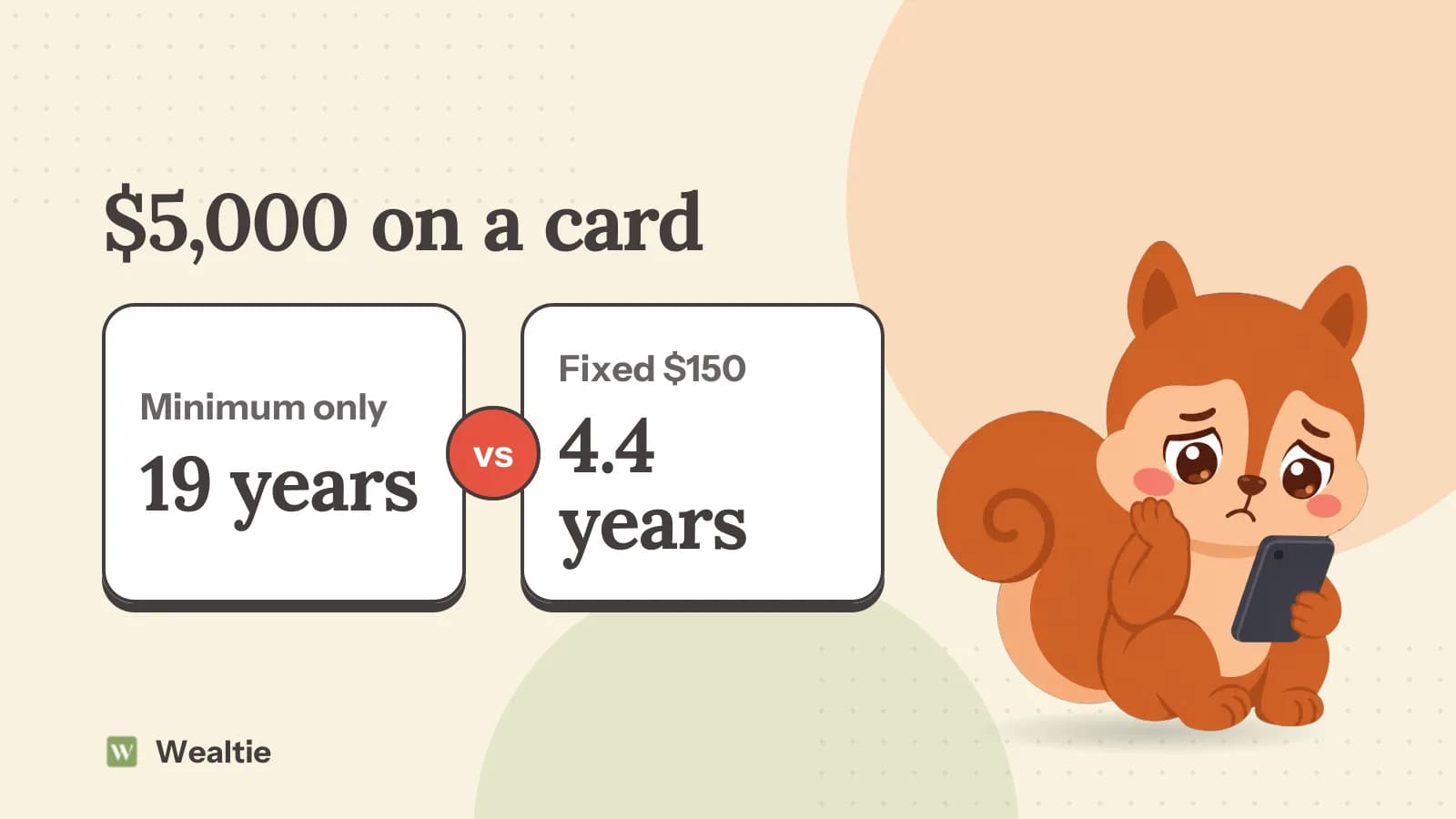
  • Wally looking worried beside '$5,000 on a card': minimum payments take 19 years, a fixed $150 takes 4.4 years.
    BUDGETING

    How long to pay off a credit card with minimum payments? 19 years

    Paying only the minimum, a $5,000 credit card balance at 22.36%, the August 2026 average on cards charging interest, takes about 19 years to clear and costs $8,241 in interest. Keep paying the first minimum of about $150 as a fixed amount instead, and it's gone in under four and a half years for $2,886.

    · 3 min read

  • Wally giving a thumbs up beside 'One Pro, two people': the owner invites on Pro, the partner joins on Free, costs are split to the cent.
    USING WEALTIE

    How to share a budget with your partner in Wealtie, roles and all

    To share a budget with your partner in Wealtie, the account owner, on Pro, invites them to a shared account and gives them a role: editor to log spending, viewer to see it. Your partner can join on any plan, Free included. Shared costs go in the shared account; everything else stays in your own accounts, private.

    · 3 min read

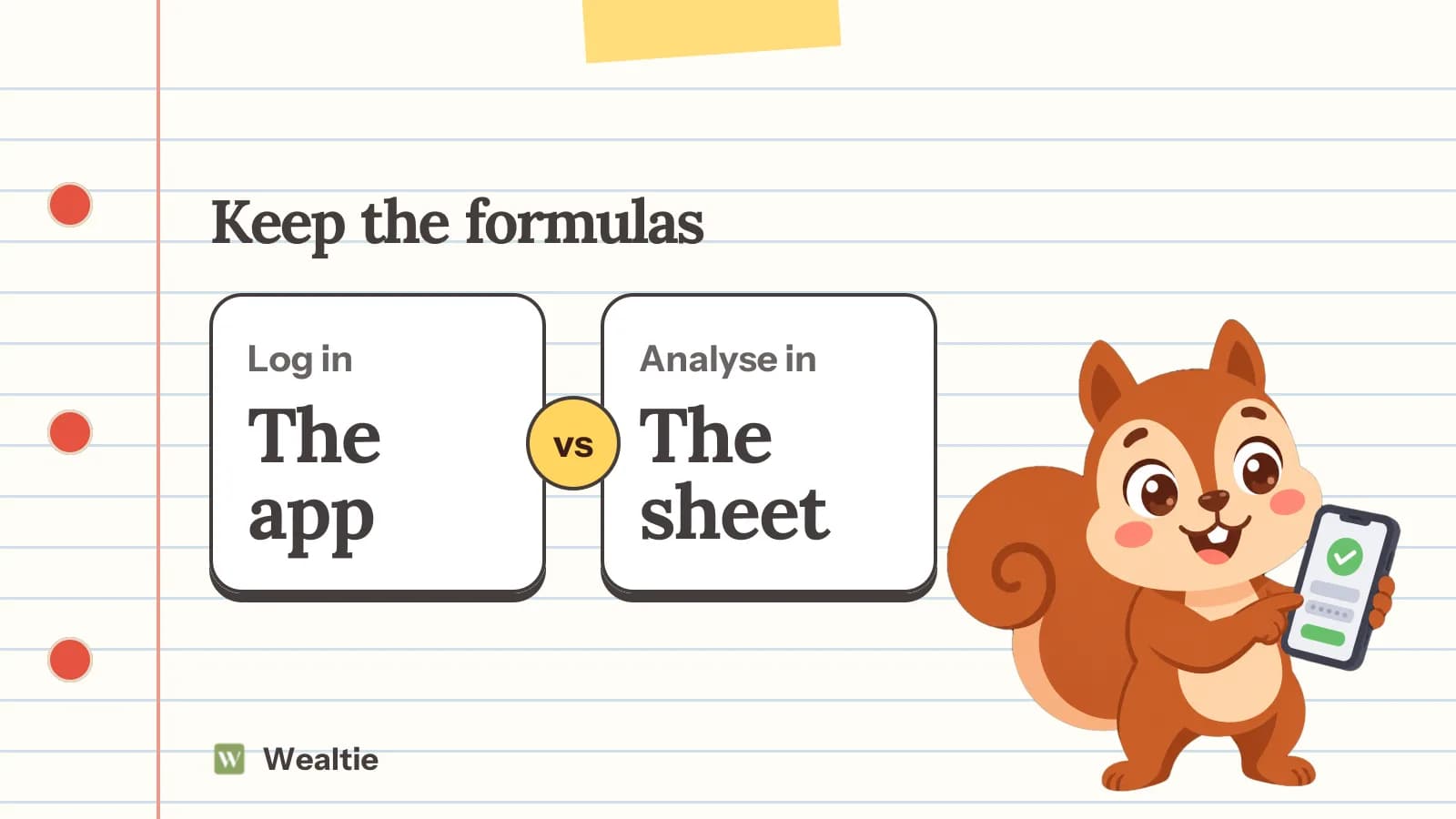
  • Wally checking his phone beside a notebook: keep the formulas. Log in the app, analyse in the spreadsheet.
    USING WEALTIE

    How to move from a budget spreadsheet to Wealtie, keeping what works

    To move from a budget spreadsheet to Wealtie, carry over your categories and monthly amounts, add your accounts with today's balances, and start logging on the 1st. Old history stays in the spreadsheet; Wealtie doesn't import it, but it exports every transaction as CSV, so your formulas keep working.

    · 3 min read

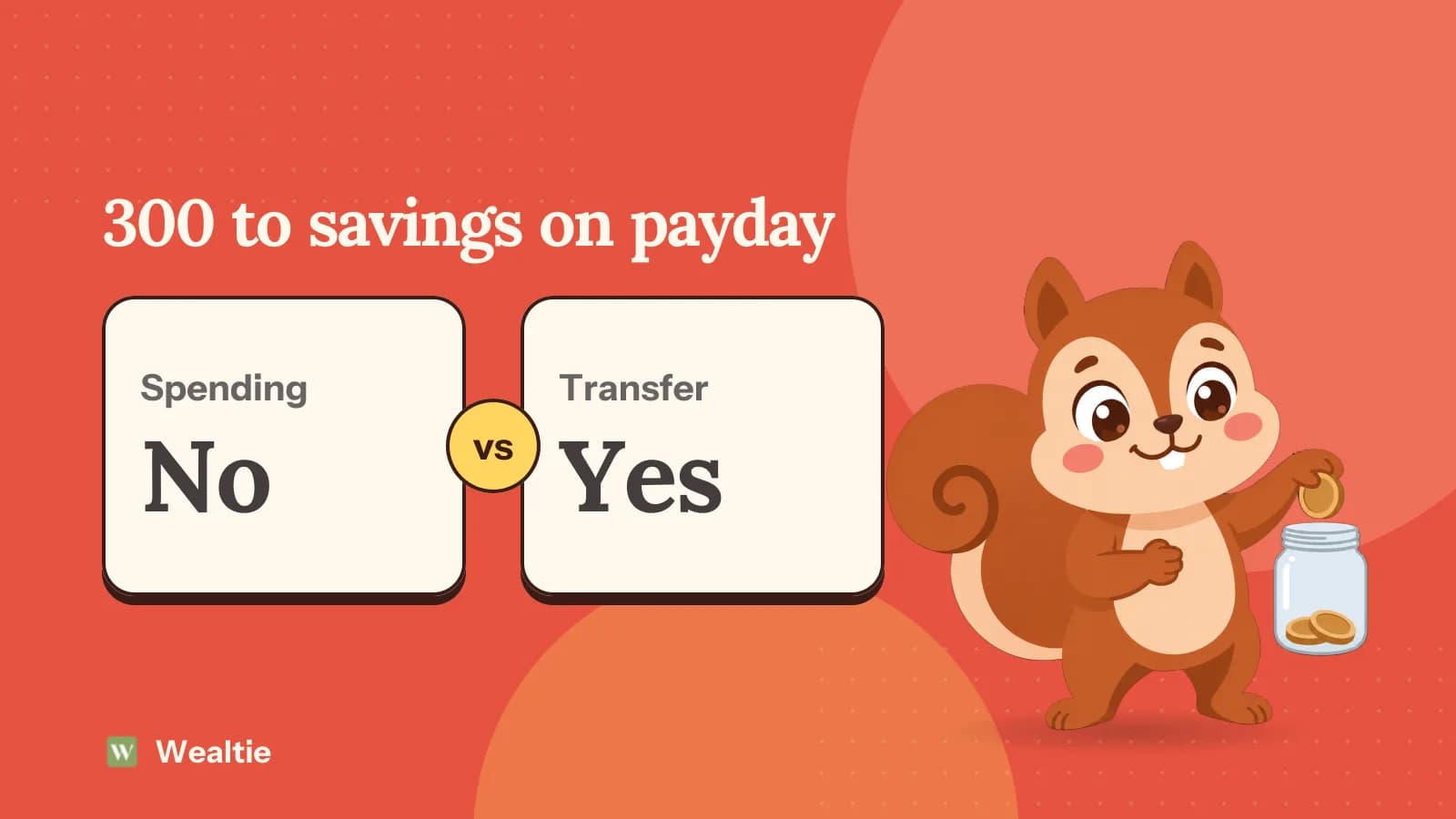
  • Wally dropping a coin into a jar beside '300 to savings on payday': it's a transfer, not spending.
    USING WEALTIE

    How to track an emergency fund in Wealtie, step by step

    To track an emergency fund in Wealtie, add it as its own account, log each payday deposit as a transfer from your everyday account, and set your monthly budget to take-home pay minus that transfer. Transfers between your own accounts aren't spending, so the fund grows in net worth while the budget shows what you spent.

    · 3 min read

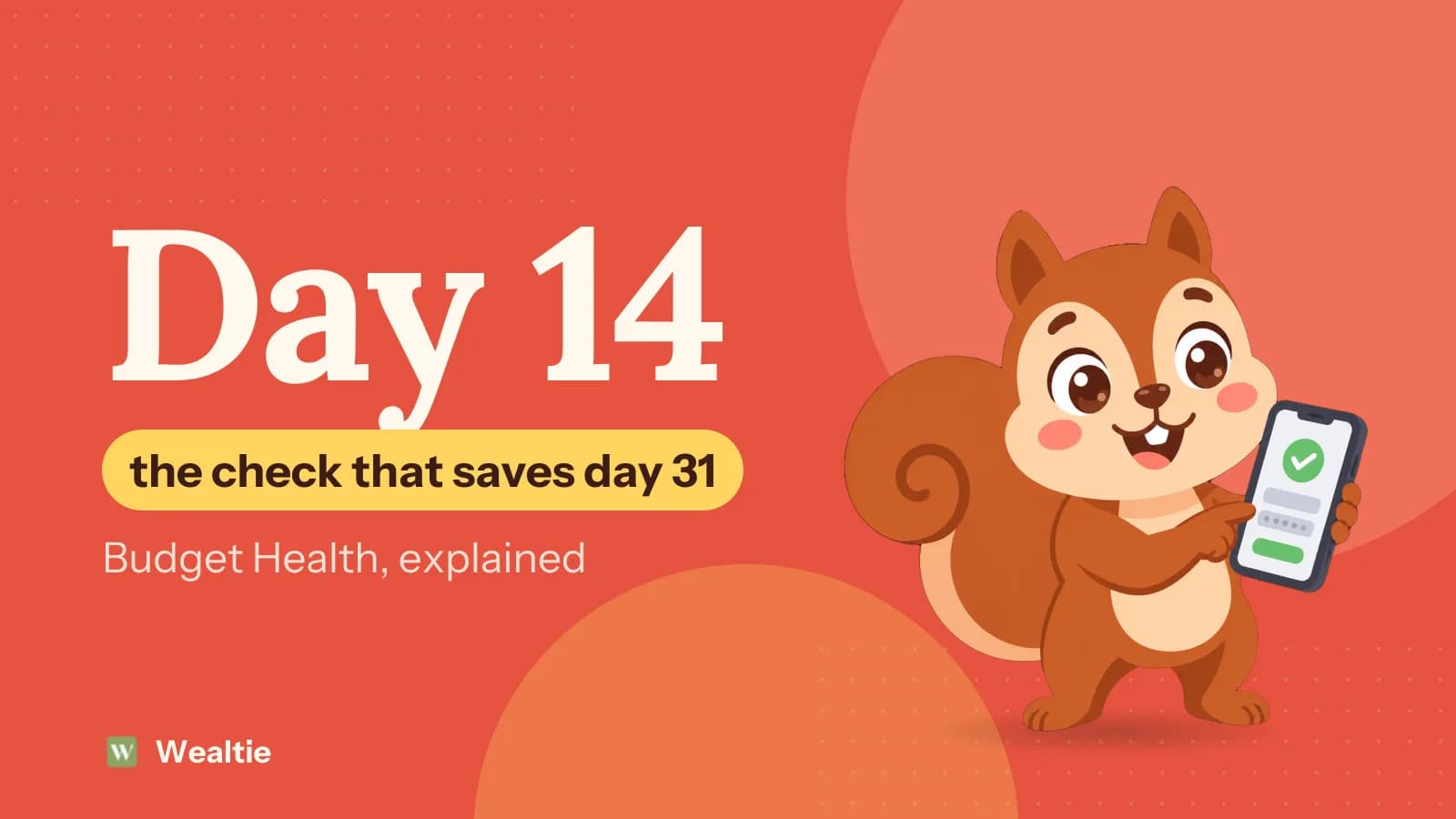
  • Wally checking his phone beside 'Day 14: the check that saves day 31. Budget Health, explained'.
    USING WEALTIE

    Budget Health: what the mid-month warning in Wealtie means

    Budget Health, explained: it's Wealtie's mid-month check on your spending pace. It looks at how fast you're spending against your monthly budget and warns you if, at that pace, you'll go over before the month ends. It's on the Free plan, and the point is timing: a warning on the 14th leaves two weeks to adjust.

    · 3 min read

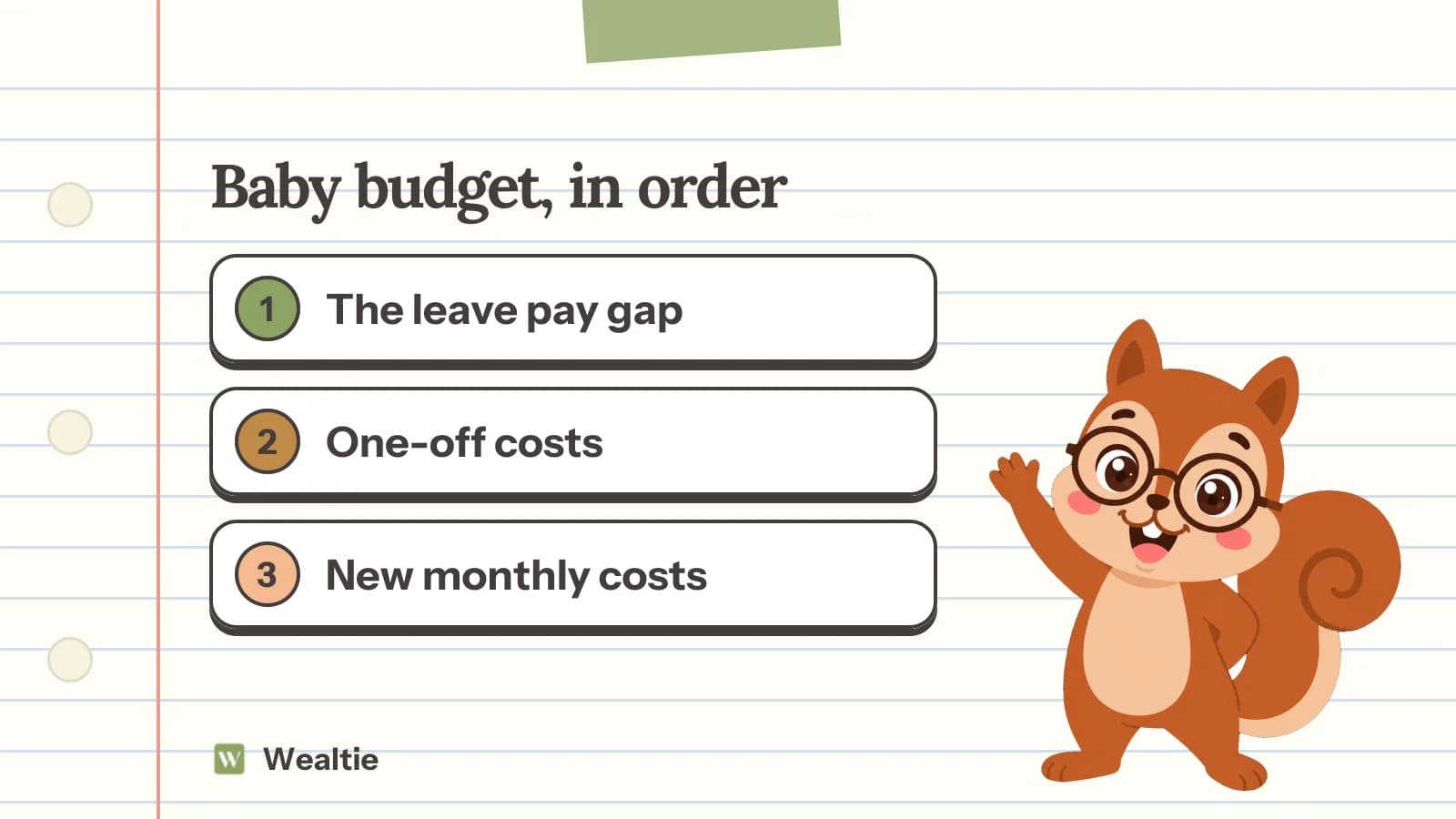
  • Wally waving beside a notebook: baby budget, in order. The leave pay gap, one-off costs, new monthly costs.
    BUDGETING

    How to budget for a baby: one-off costs, monthly costs and leave

    To budget for a baby, plan three things separately: one-off costs before the birth, new monthly costs once the baby arrives, and any drop in income during parental leave. The income drop is usually the biggest, so work it out first, then save for the one-off costs and test the new monthly budget before the due date.

    · 3 min read

The weekly email

New posts, once a week

Once a week, the new posts on budgeting, saving and everyday money. Nothing else, and one click to leave.